Ripe Black Olives
What is Ripe Black Olives?
Ripe black olives are the fully matured fruit of the olive tree (Olea europaea). They are typically picked when dark purple or black and then processed to make them safe and palatable for consumption. Processing often involves an oxidation step to darken them further and reduce bitterness.
Is Ripe Black Olives vegan?
Ripe Black Olives is not animal-derived. Products that contain it can still include other animal-derived ingredients, so check the full ingredient list.
Is Ripe Black Olives gluten-free?
They do not contain gluten.
Is Ripe Black Olives a major allergen?
Ripe black olives are not one of the nine major allergens recognized by the FDA.
What is Ripe Black Olives used for?
Manufacturers use ripe black olives as a flavorful ingredient, primarily for their distinct taste and texture.
Is Ripe Black Olives safe?
Ripe black olives are generally recognized as safe (GRAS) by the FDA when used as food.
Why it's used
Manufacturers use ripe black olives as a flavorful ingredient, primarily for their distinct taste and texture. They are commonly found in pizzas, pasta sauces, salads, and as a topping for various dishes.
Health notes
Ripe black olives are generally recognized as safe (GRAS) by the FDA when used as food. They are a source of healthy fats, fiber, and some vitamins and minerals. JECFA has evaluated olives and set acceptable daily intake levels. No significant health concerns are associated with the typical consumption of ripe black olives.
Allergen info
Ripe black olives are not one of the nine major allergens recognized by the FDA. They do not contain gluten.
Foods that contain Ripe Black Olives
Compare products →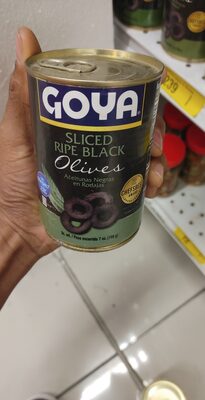
Auto-generated content. This description was generated automatically and is pending editorial review. Inaccuracies are possible. Found a mistake? Contact us.