Roasted Unsalted Cashews
What is Roasted Unsalted Cashews?
Cashews are kidney-shaped seeds that grow at the bottom of the cashew apple. They are native to Brazil but are now grown in tropical regions worldwide. The nuts are roasted and shelled to remove their outer shell, which contains a caustic oil.
Is Roasted Unsalted Cashews vegan?
Roasted Unsalted Cashews is not animal-derived. Products that contain it can still include other animal-derived ingredients, so check the full ingredient list.
Is Roasted Unsalted Cashews gluten-free?
They do not contain gluten.
Is Roasted Unsalted Cashews a major allergen?
Cashews are a tree nut, which is one of the 9 FDA major allergens.
What is Roasted Unsalted Cashews used for?
Roasted unsalted cashews are often used as a snack on their own or as an ingredient in trail mixes, baked goods, and savory dishes.
Is Roasted Unsalted Cashews safe?
Cashews are a source of protein, healthy fats, and minerals.
Why it's used
Roasted unsalted cashews are often used as a snack on their own or as an ingredient in trail mixes, baked goods, and savory dishes. Their rich, buttery flavor and crunchy texture add depth and appeal to a variety of foods.
Health notes
Cashews are a source of protein, healthy fats, and minerals. They are generally recognized as safe (GRAS) by the FDA for consumption. While generally considered healthy, some individuals may have allergies. No specific regulatory limits or evaluations from bodies like JECFA or EFSA are typically noted for whole nuts in this context.
Allergen info
Cashews are a tree nut, which is one of the 9 FDA major allergens. They do not contain gluten.
Foods that contain Roasted Unsalted Cashews
Compare products →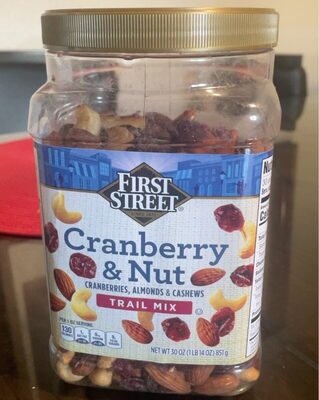 Smart & Final Iris Corporation
Cranberry & Nut Cranberries, Almonds & Cashews Trail Mix, Cranberry & Nut
464kcal
10.7Protein
28.6Fat
50Carbs
Hot Stop Foods
Corner Store, Cranberry Trial Mix
500kcal
17.9Protein
35.7Fat
39.3Carbs
Hot Stop Foods
Corner Store, White Chocolate With Cranberry Delight Trail Mix
High in saturated fat — 30% DV per serving
529kcal
0Protein
32.4Fat
61.8Carbs
CIBO VITA INC
Wholesome Deluxe Mix, Wholesome
500kcal
15.6Protein
37.5Fat
34.4Carbs
Smart & Final Iris Corporation
Cranberry & Nut Cranberries, Almonds & Cashews Trail Mix, Cranberry & Nut
464kcal
10.7Protein
28.6Fat
50Carbs
Hot Stop Foods
Corner Store, Cranberry Trial Mix
500kcal
17.9Protein
35.7Fat
39.3Carbs
Hot Stop Foods
Corner Store, White Chocolate With Cranberry Delight Trail Mix
High in saturated fat — 30% DV per serving
529kcal
0Protein
32.4Fat
61.8Carbs
CIBO VITA INC
Wholesome Deluxe Mix, Wholesome
500kcal
15.6Protein
37.5Fat
34.4Carbs
Auto-generated content. This description was generated automatically and is pending editorial review. Inaccuracies are possible. Found a mistake? Contact us.