Cranberries
Auto-generated content. This description was generated automatically and is pending editorial review. Inaccuracies are possible. Found a mistake? Contact us.
What it is
Cranberries are small, tart, red berries that grow on low-creeping vines in bogs, primarily in North America. They are typically harvested in the fall and can be consumed fresh, dried, or processed into juices, sauces, and other products.
Why it's used
Cranberries are used in packaged foods for their distinct tart flavor, vibrant red color, and nutritional content. They add texture and a tangy note to products like breads, cereal bars, and yogurts. Manufacturers also use them in juices, jams, and dried fruit mixes.
Health notes
Cranberries are considered a whole food and are not regulated as a food additive by the FDA. They are a good source of vitamin C and antioxidants. Some research suggests they may support urinary tract health, though evidence can be mixed depending on the specific health claim. JECFA and EFSA typically evaluate food additives, not whole foods like cranberries, for safety.
Allergen info
Not a major allergen.
Products containing Cranberries
Compare products →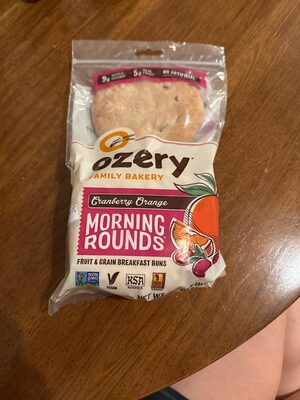 OZERY BAKERY
Buns
267kcal
8.3Protein
1.7Fat
53.3Carbs
OZERY
Snacking Rounds, Fruit & Grain Snacks
269kcal
7.7Protein
0Fat
53.9Carbs
OZERY BAKERY
Buns
267kcal
8.3Protein
1.7Fat
53.3Carbs
OZERY
Snacking Rounds, Fruit & Grain Snacks
269kcal
7.7Protein
0Fat
53.9Carbs
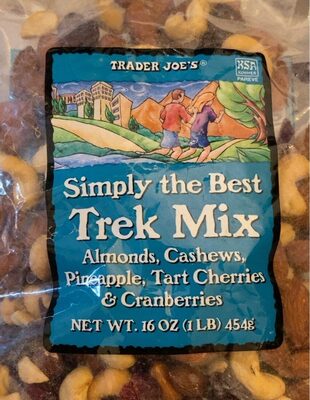 TRADER JOE'S
Trader Joe's, Trek Mix
500kcal
13.3Protein
33.3Fat
43.3Carbs
TRACKLEMENTS
Cranberry Sauce With Port
250kcal
0Protein
0Fat
60Carbs
TRADER JOE'S
Trader Joe's, Trek Mix
500kcal
13.3Protein
33.3Fat
43.3Carbs
TRACKLEMENTS
Cranberry Sauce With Port
250kcal
0Protein
0Fat
60Carbs
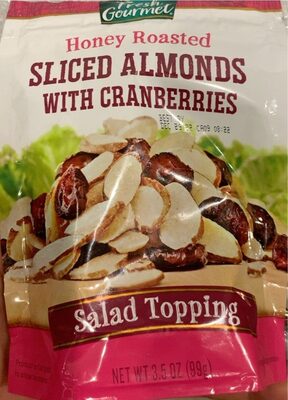 Fresh Gourmet Company
Honey Roasted Sliced Almonds With Cranberries
429kcal
14.3Protein
21.4Fat
57.1Carbs
WHOLE FOODS MARKET
Whole Foods Market, Whole Dried Sweetened Cranberries
350kcal
0Protein
0Fat
90Carbs
MY GRANDMA'S OF NEW ENGLAND
My Grandma's Of New England, Cape Cod Cranberry Coffee Cake
High in saturated fat — 22% DV per serving
456kcal
5.3Protein
22.8Fat
56.1Carbs
Fresh Gourmet Company
Honey Roasted Sliced Almonds With Cranberries
429kcal
14.3Protein
21.4Fat
57.1Carbs
WHOLE FOODS MARKET
Whole Foods Market, Whole Dried Sweetened Cranberries
350kcal
0Protein
0Fat
90Carbs
MY GRANDMA'S OF NEW ENGLAND
My Grandma's Of New England, Cape Cod Cranberry Coffee Cake
High in saturated fat — 22% DV per serving
456kcal
5.3Protein
22.8Fat
56.1Carbs