Rosemary Leaves
Auto-generated content. This description was generated automatically and is pending editorial review. Inaccuracies are possible. Found a mistake? Contact us.
What it is
Rosemary leaves come from the evergreen shrub *Rosmarinus officinalis*, native to the Mediterranean region. The leaves are typically dried and used whole or ground. They are known for their strong, pine-like aroma and flavor.
Why it's used
Rosemary is primarily used as a culinary herb to add flavor to a wide variety of foods, including meats, poultry, stuffings, and vegetables. It can also be used to make teas or as a flavoring in processed foods like nut butters and frozen meals.
Health notes
Rosemary is generally recognized as safe (GRAS) by the FDA for use as a flavoring. It contains compounds that have antioxidant and anti-inflammatory properties, though more research is needed to confirm these effects in humans at typical consumption levels. JECFA has evaluated rosemary extract and did not set a numeric limit (ADI not specified).
Allergen info
Rosemary is not derived from any of the 9 FDA major allergens. It does not contain gluten.
Products containing Rosemary Leaves
Compare products →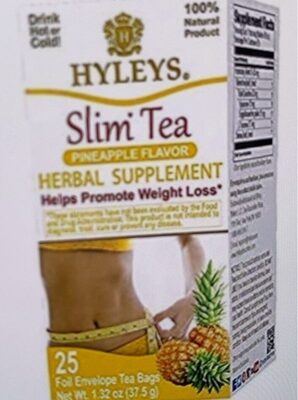 Detox Kit Tea Bags, Lemon; Acai Berry; Pomegranate; Mint; Chamomile
0kcal
0Protein
0Fat
0Carbs
Louisiana Fish Fry Ltd.
New Orleans Style BBQ Shrimp Sauce Mix, New Orleans Style BBQ Shrimp
200kcal
0Protein
0Fat
40Carbs
Detox Kit Tea Bags, Lemon; Acai Berry; Pomegranate; Mint; Chamomile
0kcal
0Protein
0Fat
0Carbs
Louisiana Fish Fry Ltd.
New Orleans Style BBQ Shrimp Sauce Mix, New Orleans Style BBQ Shrimp
200kcal
0Protein
0Fat
40Carbs