Rotted Oats
What is Rotted Oats?
Oats are a whole grain widely grown for their edible seeds. "Rotted oats" is not a standard food ingredient term. It may refer to oats that have undergone spoilage due to improper storage, leading to mold growth and a foul odor. Spoiled grains are generally considered unfit for consumption.
Is Rotted Oats vegan?
Rotted Oats is not animal-derived. Products that contain it can still include other animal-derived ingredients, so check the full ingredient list.
Is Rotted Oats gluten-free?
However, oats are often processed in facilities that also handle wheat, and cross-contamination can occur, leading to gluten exposure for individuals with celiac disease or gluten sensitivity.
Is Rotted Oats a major allergen?
Oats themselves are not one of the nine major allergens.
What is Rotted Oats used for?
Manufacturers add oats to foods for their nutritional value and texture.
Is Rotted Oats safe?
Oats are a whole grain and a good source of fiber, vitamins, and minerals.
Why it's used
Manufacturers add oats to foods for their nutritional value and texture. They are commonly found in breakfast cereals, granola bars, baked goods like cookies and muffins, and as a thickener in soups and stews. Oats contribute fiber and a chewy or crunchy texture depending on how they are processed.
Health notes
Oats are a whole grain and a good source of fiber, vitamins, and minerals. They are generally recognized as safe (GRAS) by the FDA for consumption. Consuming oats as part of a balanced diet is associated with potential benefits for heart health and blood sugar management. The FDA has not set specific upper intake limits for oats. No significant health controversies are associated with the consumption of properly stored oats.
Allergen info
Oats themselves are not one of the nine major allergens. However, oats are often processed in facilities that also handle wheat, and cross-contamination can occur, leading to gluten exposure for individuals with celiac disease or gluten sensitivity. Oats are naturally gluten-free, but certified gluten-free oats are recommended for those with strict gluten avoidance needs.
Foods that contain Rotted Oats
Compare products →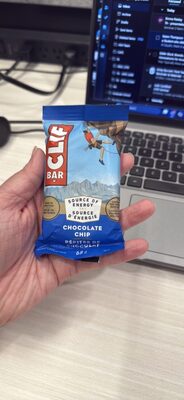 Clif Bar and Company
Chocolate Chip Energy Bar, Chocolate Chip
368kcal
14.7Protein
8.8Fat
63.2Carbs
Clif Bar and Company
Chocolate Chip Energy Bar, Chocolate Chip
368kcal
14.7Protein
8.8Fat
63.2Carbs
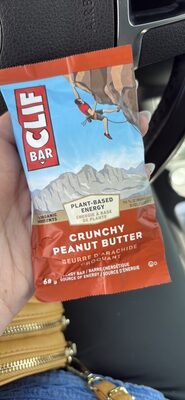 Clif Bar and Company
Crunchy Peanut Butter Energy Bar, Crunchy Peanut Butter
382kcal
16.2Protein
11.8Fat
58.8Carbs
Clif Bar and Company
Crunchy Peanut Butter Energy Bar, Crunchy Peanut Butter
382kcal
16.2Protein
11.8Fat
58.8Carbs
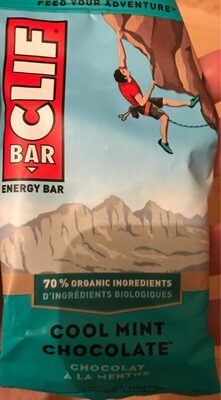 Clif Bar and Company
Cool Mint Chocolate Energy Bar, Cool Mint Chocolate
368kcal
14.7Protein
8.8Fat
63.2Carbs
Clif Bar and Company
Cool Mint Chocolate Energy Bar, Cool Mint Chocolate
368kcal
14.7Protein
8.8Fat
63.2Carbs
Learn more
Auto-generated content. This description was generated automatically and is pending editorial review. Inaccuracies are possible. Found a mistake? Contact us.