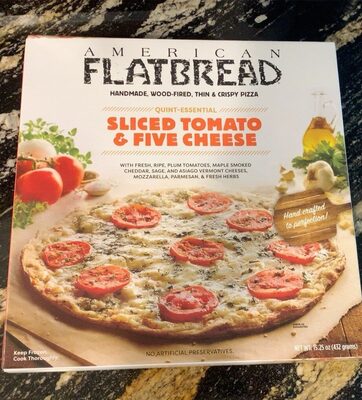
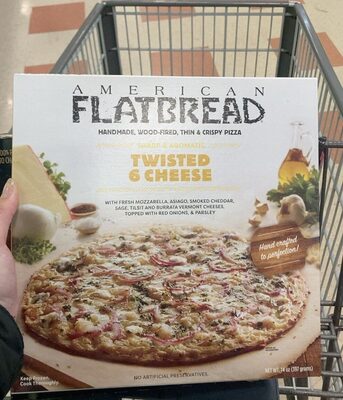
Manufacturers use sage oil extract primarily as a flavoring agent in savory foods. It …
What is Sage Oil Extract?
Sage oil extract is a concentrated liquid derived from the leaves of the sage plant (Salvia officinalis). It is produced by steam distillation or solvent extraction to capture the aromatic and flavorful compounds of the herb. This extract is used to impart the distinct, savory flavor of sage without the bulk of the fresh or dried leaves.
Is Sage Oil Extract vegan?
Sage Oil Extract is not animal-derived. Products that contain it can still include other animal-derived ingredients, so check the full ingredient list.
Is Sage Oil Extract gluten-free?
It does not contain gluten.
Is Sage Oil Extract a major allergen?
Sage oil extract is not derived from any of the nine FDA major allergens.
What is Sage Oil Extract used for?
Manufacturers use sage oil extract primarily as a flavoring agent in savory foods.
Is Sage Oil Extract safe?
Sage oil extract is generally recognized as safe (GRAS) by the FDA when used as a flavoring.
Why it's used
Manufacturers use sage oil extract primarily as a flavoring agent in savory foods. It adds a warm, slightly peppery taste characteristic of sage. It is commonly found in processed meats, sauces, marinades, salad dressings, and baked goods like bread and crackers.
Health notes
Sage oil extract is generally recognized as safe (GRAS) by the FDA when used as a flavoring. It is not typically consumed in amounts large enough to cause health concerns. International bodies like JECFA have evaluated sage and its extracts, but no specific numeric limits are set for this application. Research on sage suggests potential antioxidant properties, but more studies are needed to confirm health benefits in humans.
Allergen info
Sage oil extract is not derived from any of the nine FDA major allergens. It does not contain gluten.
Auto-generated content.
This description was generated automatically and is pending editorial review.
Inaccuracies are possible. Found a mistake? Contact us.
Last updated: September 28, 2026
Note:
This site presents label data from USDA FoodData Central for general information. It is not medical advice.
Check the package label; formulations change.