Saib
What is Saib?
Saib is a sweetener derived from the stevia plant (Stevia rebaudiana). It is a highly purified extract containing specific sweet compounds called steviol glycosides, primarily rebaudioside A.
Is Saib vegan?
Saib is not animal-derived. Products that contain it can still include other animal-derived ingredients, so check the full ingredient list.
Is Saib gluten-free?
It does not contain gluten.
Is Saib a major allergen?
Saib is derived from a plant and is not one of the nine FDA major allergens.
What is Saib used for?
Manufacturers use saib as a high-intensity, zero-calorie sweetener.
Is Saib safe?
In the U.S., saib is Generally Recognized As Safe (GRAS) for use as a sweetener.
Why it's used
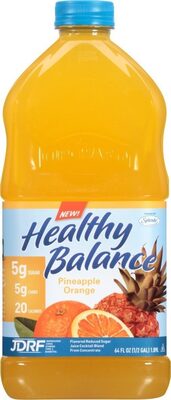
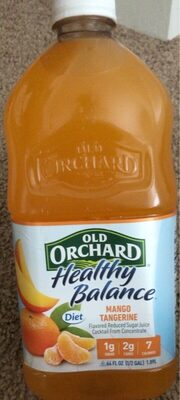
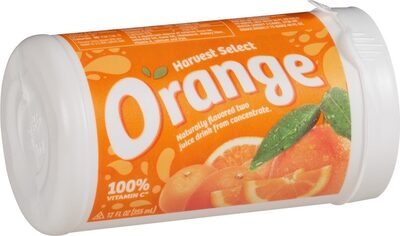
Manufacturers use saib as a high-intensity, zero-calorie sweetener. It is often found in beverages like fruit and vegetable juices, nectars, fruit drinks, and sports drinks, as well as alcoholic beverages.
Health notes
In the U.S., saib is Generally Recognized As Safe (GRAS) for use as a sweetener. Regulatory bodies like the Joint FAO/WHO Expert Committee on Food Additives (JECFA) and the European Food Safety Authority (EFSA) have evaluated steviol glycosides. Evidence suggests that steviol glycosides are safe at typical consumption levels. Some studies have explored potential effects on blood sugar and blood pressure, but results are not always consistent.
Allergen info
Saib is derived from a plant and is not one of the nine FDA major allergens. It does not contain gluten.
Foods that contain Saib
Compare products →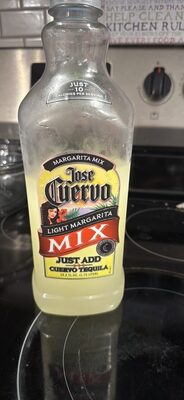
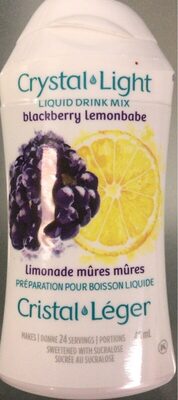 Crystal Light
Blackberry Lemonbabe Liquid Drink Mix, Blackberry Lemonbabe
0kcal
0Protein
0Fat
0Carbs
Learn more
Auto-generated content. This description was generated automatically and is pending editorial review. Inaccuracies are possible. Found a mistake? Contact us.