Sake Water
What is Sake Water?
Sake water is the liquid removed from sake, a Japanese alcoholic beverage made from fermented rice. The water is a byproduct of the sake-making process, where it is separated from the solid rice mash before the sake is filtered and aged.
Is Sake Water vegan?
Sake Water is not animal-derived. Products that contain it can still include other animal-derived ingredients, so check the full ingredient list.
Is Sake Water a major allergen?
Sake is made from rice, which is not one of the nine major allergens.
What is Sake Water used for?
Manufacturers use sake water as a liquid base in savory food products, adding a subtle umami flavor and aroma.
Is Sake Water safe?
Sake water is generally recognized as safe (GRAS) by the FDA for use in food.
Why it's used
Manufacturers use sake water as a liquid base in savory food products, adding a subtle umami flavor and aroma. It is commonly found in seasoning mixes, marinades, sauces, and as an ingredient in prepared meals like sushi and frozen appetizers.
Health notes
Sake water is generally recognized as safe (GRAS) by the FDA for use in food. It contains trace amounts of alcohol, but these are typically negligible in finished food products. Regulatory bodies like JECFA and EFSA have not specifically evaluated sake water as a standalone ingredient, but its components are well-understood.
Allergen info
Sake is made from rice, which is not one of the nine major allergens. However, some sake may be brewed with other ingredients that could be allergens, and cross-contamination is possible. Sake water itself is not considered a major allergen.
Foods that contain Sake Water
Compare products →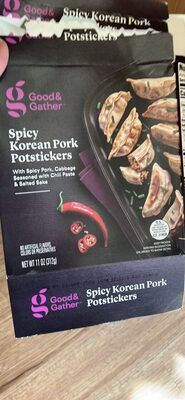 Target Stores
Spicy Korean Pork Potstickers With Spicy Pork, Cabbage Seasoned With Chili Paste & Salted Sake, Spicy Korean Pork
200kcal
8Protein
6Fat
29.3Carbs
San-J International, Inc.
Szechuan Gluten Free Hot & Spicy Marinade & Stir-Fry Sauce, Szechuan
100kcal
0Protein
0Fat
20Carbs
Ito, Inc.
Deluxe Plant-Based Tuna (Salmon) Dragon Roll, Deluxe
High in sodium — 23% DV per serving
110kcal
1.8Protein
2.2Fat
22.1Carbs
Target Stores
Spicy Korean Pork Potstickers With Spicy Pork, Cabbage Seasoned With Chili Paste & Salted Sake, Spicy Korean Pork
200kcal
8Protein
6Fat
29.3Carbs
San-J International, Inc.
Szechuan Gluten Free Hot & Spicy Marinade & Stir-Fry Sauce, Szechuan
100kcal
0Protein
0Fat
20Carbs
Ito, Inc.
Deluxe Plant-Based Tuna (Salmon) Dragon Roll, Deluxe
High in sodium — 23% DV per serving
110kcal
1.8Protein
2.2Fat
22.1Carbs
Auto-generated content. This description was generated automatically and is pending editorial review. Inaccuracies are possible. Found a mistake? Contact us.