Salt And Cultures
What is Salt And Cultures?
Salt is a mineral composed primarily of sodium chloride. Cultures are live microorganisms, such as bacteria or yeasts, used in food production. They are often added to foods to help with fermentation and flavor development.
Is Salt And Cultures a major allergen?
Not a major allergen.
What is Salt And Cultures used for?
Salt is used to enhance flavor and act as a preservative.
Is Salt And Cultures safe?
Salt (sodium chloride) is a necessary nutrient, but high intake is linked to increased blood pressure.
Why it's used
Salt is used to enhance flavor and act as a preservative. Cultures are essential for making fermented foods like yogurt and cheese, where they convert sugars into acids, creating characteristic textures and tastes.
Health notes
Salt (sodium chloride) is a necessary nutrient, but high intake is linked to increased blood pressure. The FDA Daily Value for sodium is 2,300 mg per day. Cultures used in fermented foods are generally considered safe and can contribute to gut health. Regulatory bodies like the FDA and EFSA have evaluated various salt and culture preparations, with no widespread concerns at typical consumption levels.
Allergen info
Not a major allergen. However, some cultures may be grown on dairy-based media, so individuals with severe milk allergies should check product labels.
Foods that contain Salt And Cultures
Compare products →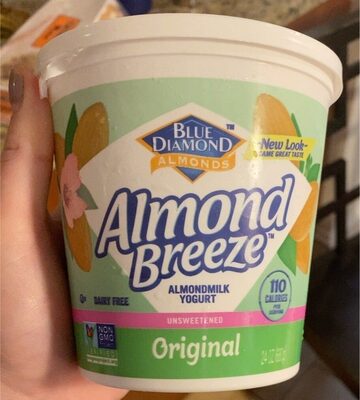 Blue Diamond Growers
Unsweetened Original Almondmilk Yogurt, Unsweetened Original
65kcal
1.8Protein
4.1Fat
5.9Carbs
Blue Diamond Growers
Unsweetened Original Almondmilk Yogurt, Unsweetened Original
65kcal
1.8Protein
4.1Fat
5.9Carbs
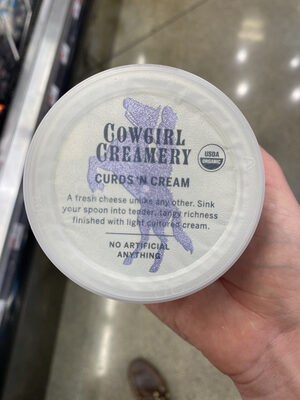 Tomales Bay Foods Inc.
Organic Curds 'N Cream
High in sodium — 23% DV per serving
100kcal
13.3Protein
4Fat
—Carbs
Blue Diamond Growers
Original Almondmilk Yogurt, Original
High in added sugars — 22% DV per serving
93kcal
2Protein
4Fat
12.7Carbs
Tomales Bay Foods Inc.
Organic Curds 'N Cream
High in sodium — 23% DV per serving
100kcal
13.3Protein
4Fat
—Carbs
Blue Diamond Growers
Original Almondmilk Yogurt, Original
High in added sugars — 22% DV per serving
93kcal
2Protein
4Fat
12.7Carbs
Auto-generated content. This description was generated automatically and is pending editorial review. Inaccuracies are possible. Found a mistake? Contact us.