Cultures
Auto-generated content. This description was generated automatically and is pending editorial review. Inaccuracies are possible. Found a mistake? Contact us.
What it is
Cultures are living microorganisms, such as bacteria, yeasts, or molds, that are intentionally added to food products. These microorganisms are often naturally present in food environments or are specifically selected and grown in controlled conditions for their desired effects.
Why it's used
In food manufacturing, cultures are primarily used for fermentation. This process can change the flavor, texture, and shelf life of foods, as seen in products like cheese, yogurt, bread, and fermented vegetables. They contribute to the distinctive characteristics of many traditional foods.
Health notes
Specific microbial cultures used in food are generally recognized as safe (GRAS) by the FDA or are approved for specific food uses. Many cultures are considered beneficial, particularly those with probiotic properties, which may support gut health. International bodies like JECFA and EFSA have evaluated numerous specific strains of microorganisms used as food cultures, generally finding them safe for their intended uses. There are no notable controversies regarding the safety of food cultures at typical intake levels.
Allergen info
Not a major allergen.
Products containing Cultures
Compare products →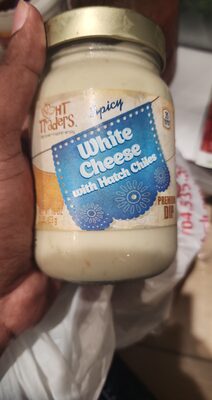 Harris-Teeter Inc.
Ht Traders, White Cheese Premium Dip With Hatch Chilies, Spicy
94kcal
0Protein
7.8Fat
6.2Carbs
Harris-Teeter Inc.
Ht Traders, White Cheese Premium Dip With Hatch Chilies, Spicy
94kcal
0Protein
7.8Fat
6.2Carbs
 RENY PICOT
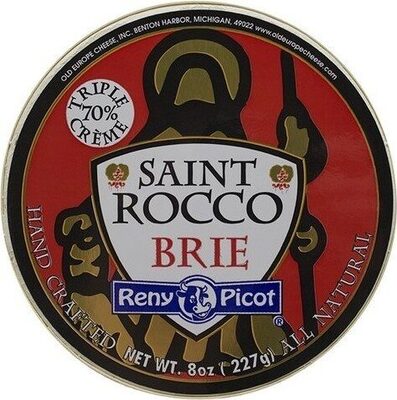
Reny Picot, Saint Rocco Triple Creme Brie
High in saturated fat — 40% DV per serving
454kcal
17.9Protein
42.9Fat
3.6Carbs
RENY PICOT
Reny Picot, Saint Rocco Triple Creme Brie
High in saturated fat — 40% DV per serving
454kcal
17.9Protein
42.9Fat
3.6Carbs