Tapioca Starch
What is Tapioca Starch?
Tapioca starch is a white, powdery carbohydrate extracted from the cassava root (Manihot esculenta). The root is grated, washed to separate the starch, and then dried to produce the final product.
Is Tapioca Starch vegan?
Tapioca Starch is not animal-derived. Products that contain it can still include other animal-derived ingredients, so check the full ingredient list.
Is Tapioca Starch gluten-free?
Tapioca starch is not a major allergen and is naturally gluten-free.
What is Tapioca Starch used for?
Manufacturers add tapioca starch as a thickener, binder, and stabilizer in various food products.
Is Tapioca Starch safe?
Tapioca starch is generally recognized as safe (GRAS) by the U.S. Food and Drug Administration (FDA).
Why it's used
Manufacturers add tapioca starch as a thickener, binder, and stabilizer in various food products. It helps improve texture, provides body, and retains moisture, especially in gluten-free baked goods, puddings, sauces, and processed meats.
Health notes
Tapioca starch is generally recognized as safe (GRAS) by the U.S. Food and Drug Administration (FDA). It is a common food ingredient and is easily digestible. The Joint FAO/WHO Expert Committee on Food Additives (JECFA) has evaluated starches, including tapioca starch, and concluded they are safe for use as food additives, and did not set a numeric limit (ADI not specified). There are no significant controversies or known adverse health effects at typical intake levels.
Allergen info
Tapioca starch is not a major allergen and is naturally gluten-free.
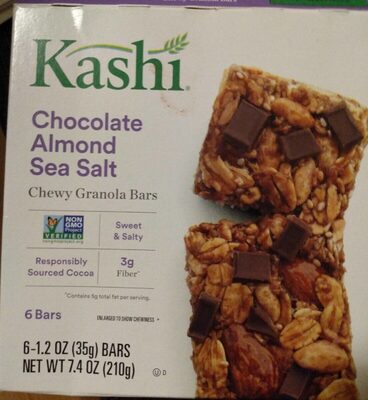
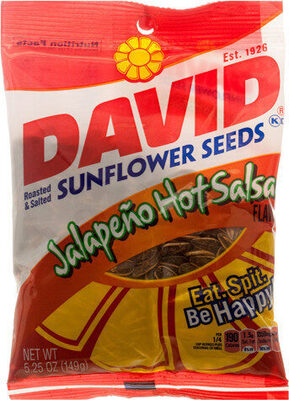
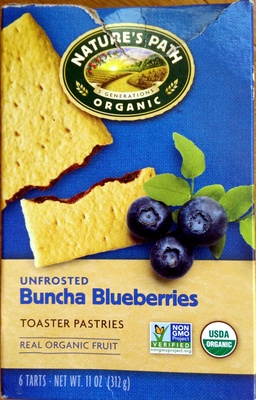
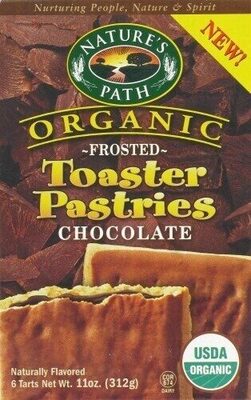
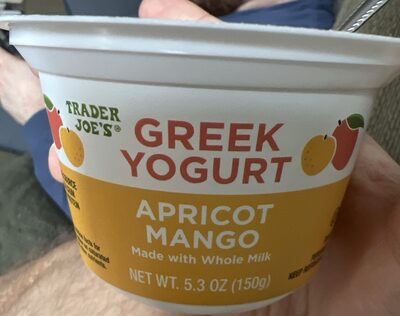
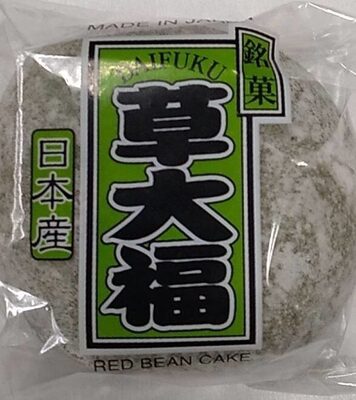
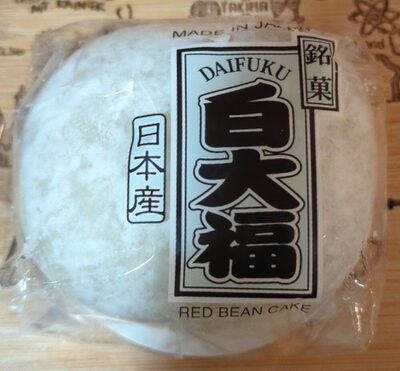
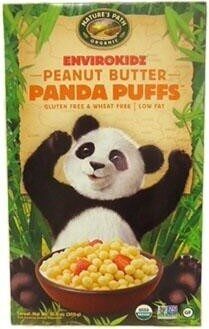
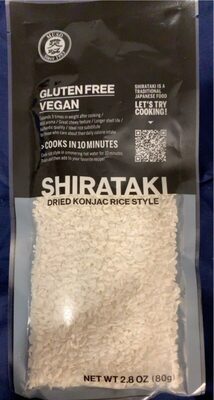
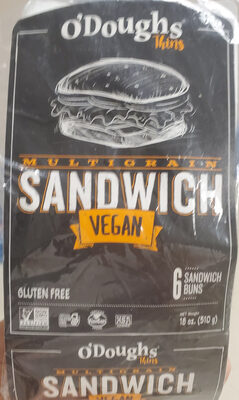
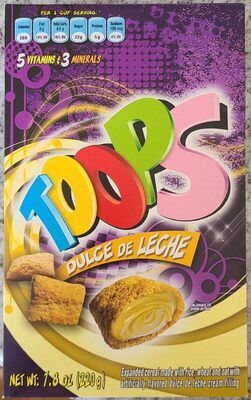
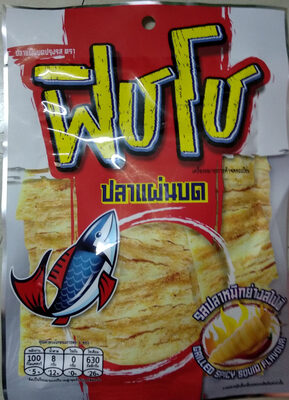
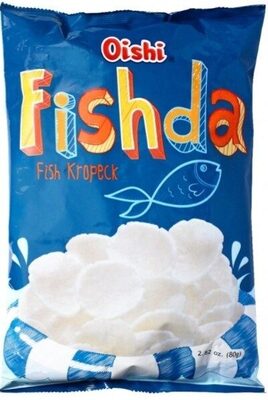
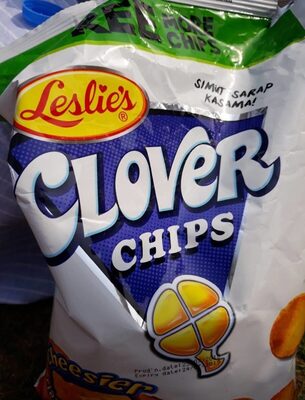
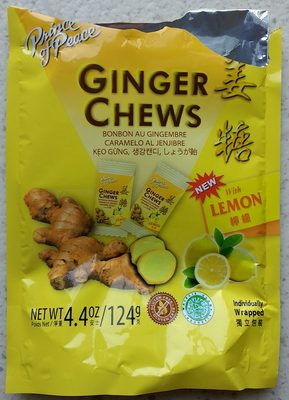
Foods that contain Tapioca Starch
Compare products →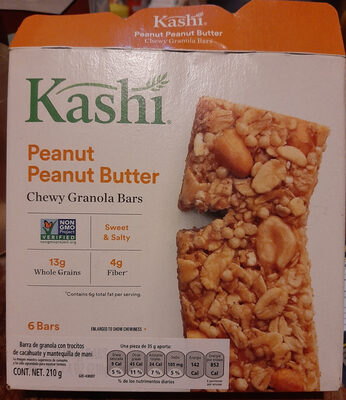
Learn more
Auto-generated content. This description was generated automatically and is pending editorial review. Inaccuracies are possible. Found a mistake? Contact us.