Salt And Ferrous Gluconate Added To Stabilize Colour
What is Salt And Ferrous Gluconate Added To Stabilize Colour?
Ferrous gluconate is a salt made from gluconic acid, a substance found naturally in fruits. It is produced by reacting gluconic acid with iron. In food, it is used to help stabilize colors.
Is Salt And Ferrous Gluconate Added To Stabilize Colour vegan?
Salt And Ferrous Gluconate Added To Stabilize Colour is not animal-derived. Products that contain it can still include other animal-derived ingredients, so check the full ingredient list.
Is Salt And Ferrous Gluconate Added To Stabilize Colour gluten-free?
It does not contain gluten.
Is Salt And Ferrous Gluconate Added To Stabilize Colour a major allergen?
Not a major allergen.
What is Salt And Ferrous Gluconate Added To Stabilize Colour used for?
Manufacturers add ferrous gluconate to foods like pickles and olives to help maintain their color.
Is Salt And Ferrous Gluconate Added To Stabilize Colour safe?
Ferrous gluconate is generally recognized as safe (GRAS) by the FDA when used as a food additive.
Why it's used
Manufacturers add ferrous gluconate to foods like pickles and olives to help maintain their color. It works by preventing color changes that can happen during processing or storage. This helps the food look more appealing to consumers.
Health notes
Ferrous gluconate is generally recognized as safe (GRAS) by the FDA when used as a food additive. It is a source of iron, an essential nutrient. The Joint FAO/WHO Expert Committee on Food Additives (JECFA) has evaluated ferrous gluconate. It is not associated with significant health controversies at typical consumption levels.
Allergen info
Not a major allergen. It does not contain gluten.
Foods that contain Salt And Ferrous Gluconate Added To Stabilize Colour
Compare products →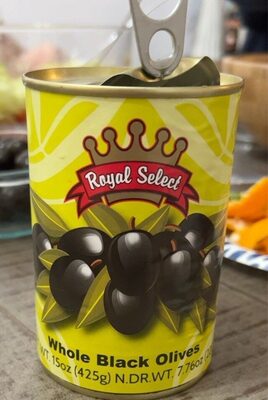
Auto-generated content. This description was generated automatically and is pending editorial review. Inaccuracies are possible. Found a mistake? Contact us.