Black Olives
What is Black Olives?
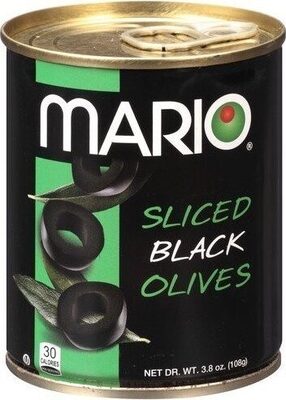
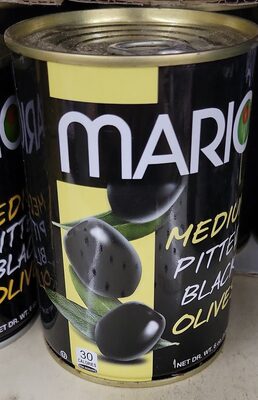
Black olives are the ripened fruit of the olive tree (Olea europaea). They are typically picked when mature and then cured to remove their natural bitterness. Curing methods can include lye treatment, brine curing, or dry curing, often followed by processing to achieve their dark color.
Is Black Olives vegan?
Black Olives is not animal-derived. Products that contain it can still include other animal-derived ingredients, so check the full ingredient list.
Is Black Olives gluten-free?
They do not contain gluten.
Is Black Olives a major allergen?
Black olives are not one of the 9 FDA major allergens.
What is Black Olives used for?
Black olives are used as a flavor enhancer and ingredient in many savory dishes.
Is Black Olives safe?
Black olives are generally recognized as safe (GRAS) by the FDA when used as a food ingredient.
Why it's used
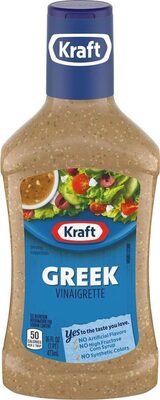
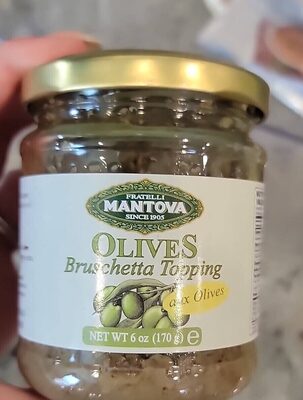
Black olives are used as a flavor enhancer and ingredient in many savory dishes. Their distinct, slightly bitter taste adds depth to foods. They are commonly found in pizzas, salads, pasta dishes, tapenades, and as a garnish.
Health notes
Black olives are generally recognized as safe (GRAS) by the FDA when used as a food ingredient. They are a source of monounsaturated fats and antioxidants. The Joint FAO/WHO Expert Committee on Food Additives (JECFA) has evaluated olives, and the European Food Safety Authority (EFSA) has also assessed olive products. Evidence suggests that the consumption of olives and olive oil is associated with cardiovascular health benefits as part of a balanced diet.
Allergen info
Black olives are not one of the 9 FDA major allergens. They do not contain gluten.
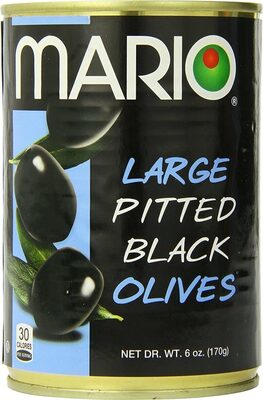
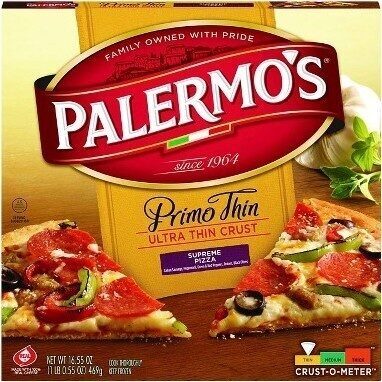
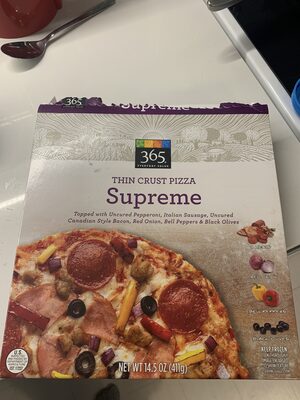
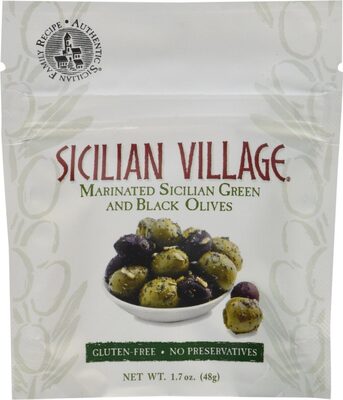
Foods that contain Black Olives
Compare products →











Auto-generated content. This description was generated automatically and is pending editorial review. Inaccuracies are possible. Found a mistake? Contact us.