Salt And Mustard Oil
What is Salt And Mustard Oil?
Salt is a mineral compound, sodium chloride, typically obtained from mines or through the evaporation of seawater. Mustard oil is a pungent oil pressed from the seeds of mustard plants.
Is Salt And Mustard Oil vegan?
Salt And Mustard Oil is not animal-derived. Products that contain it can still include other animal-derived ingredients, so check the full ingredient list.
Is Salt And Mustard Oil a major allergen?
Mustard is a known allergen for some individuals, though it is not one of the nine major food allergens identified by the FDA.
What is Salt And Mustard Oil used for?
Salt is widely used as a flavor enhancer, preservative, and to improve food texture in many processed foods.
Is Salt And Mustard Oil safe?
The FDA considers salt (sodium chloride) to be Generally Recognized As Safe (GRAS).
Why it's used
Salt is widely used as a flavor enhancer, preservative, and to improve food texture in many processed foods. Mustard oil is primarily used as a flavoring agent, adding a distinct pungent and spicy note, especially in certain ethnic cuisines.
Health notes
The FDA considers salt (sodium chloride) to be Generally Recognized As Safe (GRAS). High sodium intake is associated with increased blood pressure, and the FDA Daily Value for sodium is 2,300 mg. JECFA has evaluated sodium chloride. In the US, mustard oil is permitted as a flavoring agent. However, traditional mustard oil, which contains high levels of erucic acid, is not permitted for use as a cooking oil due to animal studies suggesting potential heart issues. JECFA has evaluated mustard essential oil and mustard seed oil.
Allergen info
Mustard is a known allergen for some individuals, though it is not one of the nine major food allergens identified by the FDA. Salt is not an allergen.
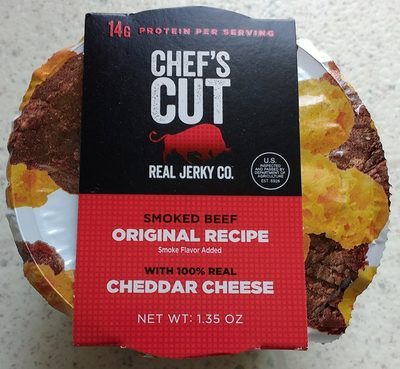
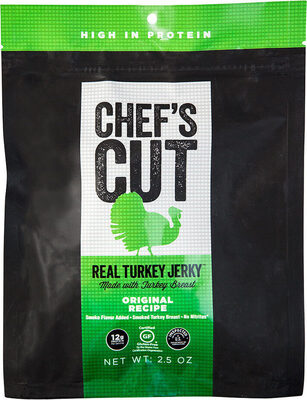
Foods that contain Salt And Mustard Oil
Compare products →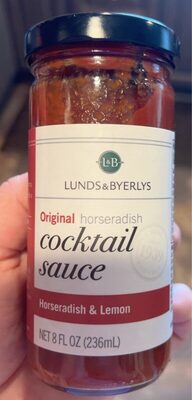
Learn more
Auto-generated content. This description was generated automatically and is pending editorial review. Inaccuracies are possible. Found a mistake? Contact us.