Salt And Tricalcium Phosphate Added To Prevent Caking
What is Salt And Tricalcium Phosphate Added To Prevent Caking?
Salt is a mineral, sodium chloride, found in seawater and underground deposits. Tricalcium phosphate is an inorganic compound made from calcium and phosphate, often produced synthetically for food use.
Is Salt And Tricalcium Phosphate Added To Prevent Caking vegan?
Salt And Tricalcium Phosphate Added To Prevent Caking is not animal-derived. Products that contain it can still include other animal-derived ingredients, so check the full ingredient list.
Is Salt And Tricalcium Phosphate Added To Prevent Caking a major allergen?
Neither salt nor tricalcium phosphate is a major allergen.
What is Salt And Tricalcium Phosphate Added To Prevent Caking used for?
Salt is primarily used as a seasoning and flavor enhancer in many foods.
Is Salt And Tricalcium Phosphate Added To Prevent Caking safe?
Salt is an essential nutrient, but the FDA recommends limiting sodium intake to 2,300 mg per day.
Why it's used
Salt is primarily used as a seasoning and flavor enhancer in many foods. Tricalcium phosphate is added to products like seasoning mixes and salts to prevent them from clumping together, ensuring they remain free-flowing.
Health notes
Salt is an essential nutrient, but the FDA recommends limiting sodium intake to 2,300 mg per day. Tricalcium phosphate is generally recognized as safe (GRAS) by the FDA. JECFA has evaluated tricalcium phosphate and set an acceptable daily intake.
Allergen info
Neither salt nor tricalcium phosphate is a major allergen.
Foods that contain Salt And Tricalcium Phosphate Added To Prevent Caking
Compare products →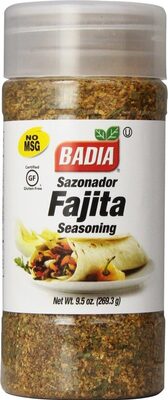
Auto-generated content. This description was generated automatically and is pending editorial review. Inaccuracies are possible. Found a mistake? Contact us.