Salt Monosodium Glutamate
Auto-generated content. This description was generated automatically and is pending editorial review. Inaccuracies are possible. Found a mistake? Contact us.
What it is
Monosodium glutamate (MSG) is the sodium salt of glutamic acid, an amino acid found naturally in many foods. It is produced industrially through the fermentation of carbohydrates, similar to how yogurt or wine is made. MSG provides a savory or umami taste.
Why it's used
Manufacturers add MSG to foods to enhance their savory (umami) flavor. It is commonly found in processed foods like chips, snack foods, salad dressings, canned soups, and frozen meals. It can also be used in seasoning blends and spice mixes.
Health notes
MSG is generally recognized as safe (GRAS) by the U.S. Food and Drug Administration (FDA). Some individuals report sensitivity to MSG, experiencing symptoms like headaches or flushing, though controlled studies have not consistently linked these symptoms to MSG consumption at typical levels. The Joint FAO/WHO Expert Committee on Food Additives (JECFA) and the European Food Safety Authority (EFSA) have evaluated MSG, with no numeric acceptable daily intake (ADI) specified by JECFA. Evidence on adverse effects remains mixed.
Allergen info
MSG is not derived from any of the nine FDA major allergens (milk, egg, fish, shellfish, tree nuts, peanuts, wheat, soy, sesame). It does not contain gluten.
Products containing Salt Monosodium Glutamate
Compare products →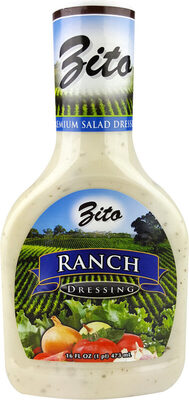 Van Law Food Products Inc.
Dressing, Ranch
133kcal
0Protein
10Fat
10Carbs
Wise Foods, Inc.
Hickory BBQ Flavored Potato Chips, Hickory BBQ
500kcal
7.1Protein
32.1Fat
53.6Carbs
Jones Potato Chip Company
Potato Chips, Wavy Sour Cream & Onion, Wavy Sour Cream & Onion
536kcal
7.1Protein
32.1Fat
57.1Carbs
Bolner's Fiesta Products, Inc.
Chicken Fajita Seasoning, Chicken Fajita
0kcal
0Protein
0Fat
0Carbs
Wabash Valley Farms, Inc.
Classic Zesty Cheddar Popcorn Seasoning, Classic Zesty Cheddar
0kcal
0Protein
0Fat
—Carbs
R.A.B. Food Group, LLC
Matzo Balls
High in sodium — 40% DV per serving
High in cholesterol — 25% DV per serving
73kcal
2.0Protein
3.2Fat
9.3Carbs
Van Law Food Products Inc.
Dressing, Ranch
133kcal
0Protein
10Fat
10Carbs
Wise Foods, Inc.
Hickory BBQ Flavored Potato Chips, Hickory BBQ
500kcal
7.1Protein
32.1Fat
53.6Carbs
Jones Potato Chip Company
Potato Chips, Wavy Sour Cream & Onion, Wavy Sour Cream & Onion
536kcal
7.1Protein
32.1Fat
57.1Carbs
Bolner's Fiesta Products, Inc.
Chicken Fajita Seasoning, Chicken Fajita
0kcal
0Protein
0Fat
0Carbs
Wabash Valley Farms, Inc.
Classic Zesty Cheddar Popcorn Seasoning, Classic Zesty Cheddar
0kcal
0Protein
0Fat
—Carbs
R.A.B. Food Group, LLC
Matzo Balls
High in sodium — 40% DV per serving
High in cholesterol — 25% DV per serving
73kcal
2.0Protein
3.2Fat
9.3Carbs