Salt & Pepper Seasoning
Auto-generated content. This description was generated automatically and is pending editorial review. Inaccuracies are possible. Found a mistake? Contact us.
What it is
Salt and pepper seasoning is a common blend of two fundamental spices: salt and black pepper. Salt is typically obtained from evaporated seawater or mined from underground deposits, while black pepper comes from the dried berries of the *Piper nigrum* plant. These ingredients are processed and then combined to create a convenient seasoning mix.
Why it's used
Manufacturers add salt and pepper seasoning primarily to enhance the flavor of foods, providing a savory and slightly pungent taste. Salt also functions as a mild preservative. It is frequently found in snack foods like chips, pretzels, popcorn, and nuts, as well as in various savory dishes and prepared meals.
Health notes
Both salt (sodium chloride) and black pepper are generally recognized as safe (GRAS) by the U.S. Food and Drug Administration (FDA). High intake of sodium, a component of salt, is associated with increased blood pressure in some individuals, and the FDA's Daily Value for sodium is 2,300 mg. The Joint FAO/WHO Expert Committee on Food Additives (JECFA) has evaluated both salt and pepper. Black pepper is generally considered safe at typical consumption levels.
Allergen info
Salt and pepper are not derived from any of the nine major FDA allergens (milk, egg, fish, shellfish, tree nuts, peanuts, wheat, soy, sesame). Not a major allergen.
Products containing Salt & Pepper Seasoning
Compare products →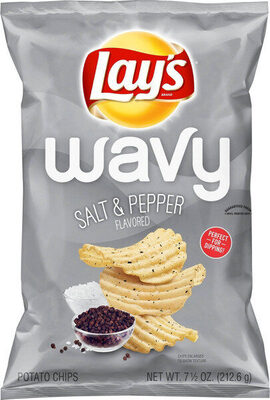 Frito-Lay Company
Sea Salt & Pepper Flavored Wavy Potato Chips, Sea Salt & Pepper
571kcal
7.1Protein
35.7Fat
53.6Carbs
Frito-Lay Company
Salt & Pepper Flavored Potato Chips, Salt & Pepper
571kcal
7.1Protein
35.7Fat
53.6Carbs
Frito-Lay Company
Salt & Pepper Flavored Potato Chips, Salt & Pepper
571kcal
7.1Protein
35.7Fat
53.6Carbs
Frito-Lay Company
Sea Salt & Pepper Flavored Wavy Potato Chips, Sea Salt & Pepper
571kcal
7.1Protein
35.7Fat
53.6Carbs
Frito-Lay Company
Salt & Pepper Flavored Potato Chips, Salt & Pepper
571kcal
7.1Protein
35.7Fat
53.6Carbs
Frito-Lay Company
Salt & Pepper Flavored Potato Chips, Salt & Pepper
571kcal
7.1Protein
35.7Fat
53.6Carbs
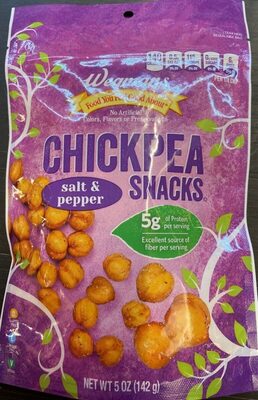 Wegmans Food Markets, Inc.
Salt & Pepper Chickpea Snacks, Salt & Pepper
500kcal
17.9Protein
25Fat
53.6Carbs
A L Schutzman Company Inc
Cashew Halves, Salt & Pepper
571kcal
17.9Protein
46.4Fat
32.1Carbs
Wegmans Food Markets, Inc.
Salt & Pepper Chickpea Snacks, Salt & Pepper
500kcal
17.9Protein
25Fat
53.6Carbs
A L Schutzman Company Inc
Cashew Halves, Salt & Pepper
571kcal
17.9Protein
46.4Fat
32.1Carbs