Salt Seasoning
Auto-generated content. This description was generated automatically and is pending editorial review. Inaccuracies are possible. Found a mistake? Contact us.
What it is
Salt seasoning is a blend of salt, which is sodium chloride, and various herbs, spices, and other flavorings. Salt is typically obtained by mining from underground deposits or by evaporating seawater. These ingredients are then processed and mixed together to create the seasoning blend.
Why it's used
Manufacturers add salt seasoning primarily to enhance the flavor of foods, making them more appealing. It also contributes to the preservation of some food products. It is commonly found in savory snacks such as potato chips, popcorn, pretzels, and nuts.
Health notes
Salt (sodium chloride), the main component of salt seasoning, is generally recognized as safe (GRAS) by the U.S. Food and Drug Administration (FDA). High intake of sodium, a component of salt, is associated with an increased risk of high blood pressure, a major risk factor for heart disease and stroke. The FDA Daily Value for sodium is 2,300 mg. The safety of salt as a food ingredient has been extensively studied, and its role in human health is well-understood.
Allergen info
Salt seasoning is not considered a major allergen. However, specific blends may contain ingredients derived from major allergens, which would be listed separately on the product label.
Products containing Salt Seasoning
Compare products →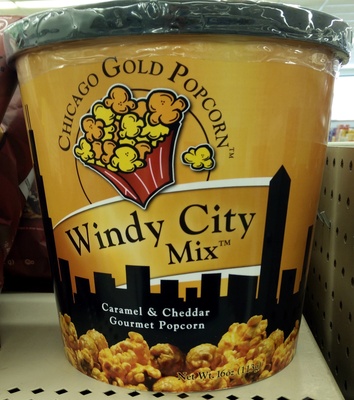 Windy City Gold Popcorn Inc.
Windy City Mix Gourmet Popcorn, Caramel & Cheddar
536kcal
3.6Protein
35.7Fat
53.6Carbs
Bashas' Markets
Dos Ranchitos, Pork Tamales
High in sodium — 21% DV per serving
High in saturated fat — 20% DV per serving
177kcal
8.0Protein
8.8Fat
15.9Carbs
Windy City Gold Popcorn Inc.
Windy City Mix Gourmet Popcorn, Caramel & Cheddar
536kcal
3.6Protein
35.7Fat
53.6Carbs
Bashas' Markets
Dos Ranchitos, Pork Tamales
High in sodium — 21% DV per serving
High in saturated fat — 20% DV per serving
177kcal
8.0Protein
8.8Fat
15.9Carbs
 D. F. Stauffer Biscuit Co. Inc
Chocolate Creme Center With Crunchy Shell Candy, Chocolate
524kcal
4.8Protein
28.6Fat
61.9Carbs
S & S Roadrunner Sales Co.
Delicious Manhandler Sausage, Beef Pizza Topping, Pepperoni, Canadian Style Bacon And Mozzarella Cheese Pizza, Delicious Manhandler
High in sodium — 64% DV per serving
High in saturated fat — 40% DV per serving
219kcal
11.2Protein
11.2Fat
21.8Carbs
D. F. Stauffer Biscuit Co. Inc
Chocolate Creme Center With Crunchy Shell Candy, Chocolate
524kcal
4.8Protein
28.6Fat
61.9Carbs
S & S Roadrunner Sales Co.
Delicious Manhandler Sausage, Beef Pizza Topping, Pepperoni, Canadian Style Bacon And Mozzarella Cheese Pizza, Delicious Manhandler
High in sodium — 64% DV per serving
High in saturated fat — 40% DV per serving
219kcal
11.2Protein
11.2Fat
21.8Carbs