Salted Caramel Coating
What is Salted Caramel Coating?
Salted caramel coating is a sweet and salty confection made by cooking sugar until it caramelizes, then adding butter and salt. Sometimes cream or milk is added for a smoother texture. The process requires careful temperature control to achieve the desired flavor and consistency.
Is Salted Caramel Coating vegan?
No. Salted Caramel Coating is animal-derived, so it is not vegan.
Is Salted Caramel Coating gluten-free?
Gluten is not typically present unless added separately.
Is Salted Caramel Coating a major allergen?
Salted caramel coating may contain milk if cream or butter is used in its preparation.
What is Salted Caramel Coating used for?
Manufacturers use salted caramel coating to add a sweet, salty, and rich flavor to a variety of foods.
Is Salted Caramel Coating safe?
Salted caramel coating is primarily composed of sugar and fat, which contribute calories and carbohydrates to the diet.
Why it's used
Manufacturers use salted caramel coating to add a sweet, salty, and rich flavor to a variety of foods. It is often used to coat snacks like popcorn, pretzels, and nuts, as well as in baked goods such as cookies and bars.
Health notes
Salted caramel coating is primarily composed of sugar and fat, which contribute calories and carbohydrates to the diet. High intake of added sugars and saturated fats is linked to increased risk of chronic health conditions. The FDA considers the ingredients used in salted caramel coating, such as sugar, butter, and salt, to be generally recognized as safe (GRAS) when used as intended. International bodies like JECFA and EFSA have evaluated many of the individual components.
Allergen info
Salted caramel coating may contain milk if cream or butter is used in its preparation. It is not derived from fish, shellfish, eggs, tree nuts, peanuts, wheat, soy, or sesame. Gluten is not typically present unless added separately.
Foods that contain Salted Caramel Coating
Compare products →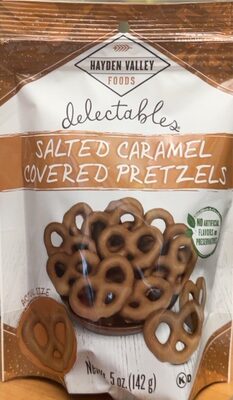
Learn more
Auto-generated content. This description was generated automatically and is pending editorial review. Inaccuracies are possible. Found a mistake? Contact us.