Salted Sherry Cooking Wine
What is Salted Sherry Cooking Wine?
Salted sherry cooking wine is a fortified wine made from sherry that has had salt added. It is produced by adding salt to sherry, a fortified wine made from white grapes grown in Andalusia, Spain. The salt is added to make it undrinkable as a beverage, thus avoiding alcohol taxes.
Is Salted Sherry Cooking Wine gluten-free?
It does not contain gluten.
Is Salted Sherry Cooking Wine a major allergen?
Not a major allergen.
What is Salted Sherry Cooking Wine used for?
Manufacturers add salted sherry cooking wine primarily for its distinct flavor profile, which adds depth and complexity to savory dishes.
Is Salted Sherry Cooking Wine safe?
Salted sherry cooking wine is not a regulated food additive.
Why it's used
Manufacturers add salted sherry cooking wine primarily for its distinct flavor profile, which adds depth and complexity to savory dishes. It is commonly used in sauces, marinades, soups, and stews, particularly in recipes calling for a wine base.
Health notes
Salted sherry cooking wine is not a regulated food additive. The primary health considerations relate to its sodium content and alcohol. The FDA sets a Daily Value for sodium at 2,300 mg per day. While alcohol has potential health effects, cooking significantly reduces the alcohol content. JECFA has evaluated sherry and set no ADI. There are no major controversies regarding its use as a cooking ingredient.
Allergen info
Not a major allergen. It is derived from grapes, which are not among the nine major allergens. It does not contain gluten.
Foods that contain Salted Sherry Cooking Wine
Compare products →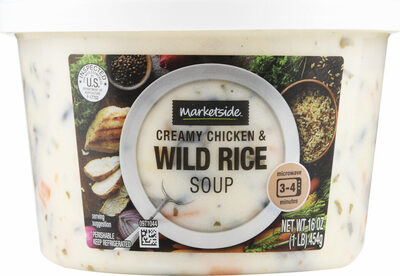 Wal-Mart Stores, Inc.
Creamy Chicken & Wild Rice Soup, Creamy Chicken & Wild Rice
High in sodium — 68% DV per serving
High in saturated fat — 50% DV per serving
High in cholesterol — 29% DV per serving
93kcal
3.5Protein
4.8Fat
8.8Carbs
Wegmans Food Markets, Inc.
Lemon Butter Simmer Sauce, Lemon Butter
73kcal
0Protein
3.2Fat
6.5Carbs
Whole Foods Market, Inc.
Chicken Artichoke & Lemon Soup With Chicken Thigh, Chicken Artichoke & Lemon
High in sodium — 33% DV per serving
49kcal
3.7Protein
1.0Fat
6.1Carbs
Wal-Mart Stores, Inc.
Creamy Chicken & Wild Rice Soup, Creamy Chicken & Wild Rice
High in sodium — 68% DV per serving
High in saturated fat — 50% DV per serving
High in cholesterol — 29% DV per serving
93kcal
3.5Protein
4.8Fat
8.8Carbs
Wegmans Food Markets, Inc.
Lemon Butter Simmer Sauce, Lemon Butter
73kcal
0Protein
3.2Fat
6.5Carbs
Whole Foods Market, Inc.
Chicken Artichoke & Lemon Soup With Chicken Thigh, Chicken Artichoke & Lemon
High in sodium — 33% DV per serving
49kcal
3.7Protein
1.0Fat
6.1Carbs
Learn more
Auto-generated content. This description was generated automatically and is pending editorial review. Inaccuracies are possible. Found a mistake? Contact us.