Salted Shrimp
Auto-generated content. This description was generated automatically and is pending editorial review. Inaccuracies are possible. Found a mistake? Contact us.
What it is
Salted shrimp is a food product made from small shrimp that have been preserved in salt. The salting process draws out moisture and prevents spoilage, creating a concentrated, savory flavor. It is a traditional ingredient in some Asian cuisines.
Why it's used
Manufacturers use salted shrimp primarily as a flavoring agent to add a distinct umami and salty taste to foods. It is often found in fermented products like kimchi, as well as in relishes, sauces, and pickled vegetables where a savory depth is desired.
Health notes
Salted shrimp is generally recognized as safe (GRAS) by the FDA when used as a food ingredient. It is a source of sodium, and high sodium intake is linked to increased blood pressure in some individuals. JECFA has evaluated salted shrimp and noted its sodium content. Evidence on the health effects of moderate consumption is mixed, with some studies suggesting potential benefits from seafood consumption while others highlight risks associated with high sodium intake.
Allergen info
Salted shrimp is derived from shellfish, which is one of the 9 major allergens recognized by the FDA. People with shellfish allergies should avoid this ingredient.
Products containing Salted Shrimp
Compare products →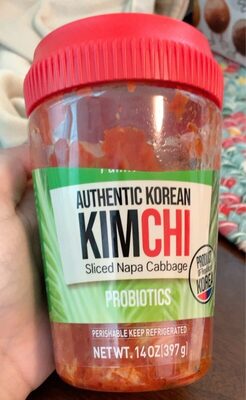 Pulmuone U.S.A. Inc.
Authentic Korean Kimchi Sliced Napa Cabbage
54kcal
3.6Protein
0Fat
7.1Carbs
Multicom Publishing Incorporated
Woori Asian Foods, Sliced Kimchi, Mild, Mild
33kcal
3.3Protein
0Fat
6.7Carbs
Multicom Publishing Incorporated
Woori Asia Foods, Sliced Kimchi
33kcal
3.3Protein
0Fat
6.7Carbs
Multicom Publishing Incorporated
Woori Asian Foods, Sliced Kimchi
33kcal
3.3Protein
0Fat
6.7Carbs
Pulmuone U.S.A. Inc.
Authentic Korean Kimchi Sliced Napa Cabbage
54kcal
3.6Protein
0Fat
7.1Carbs
Multicom Publishing Incorporated
Woori Asian Foods, Sliced Kimchi, Mild, Mild
33kcal
3.3Protein
0Fat
6.7Carbs
Multicom Publishing Incorporated
Woori Asia Foods, Sliced Kimchi
33kcal
3.3Protein
0Fat
6.7Carbs
Multicom Publishing Incorporated
Woori Asian Foods, Sliced Kimchi
33kcal
3.3Protein
0Fat
6.7Carbs