Sambal
What is Sambal?
Sambal is a chili paste or sauce originating from Southeast Asia, particularly Indonesia and Malaysia. It is typically made from a variety of chili peppers, often combined with ingredients like garlic, shallots, ginger, lime juice, and vinegar, and is usually fermented or cooked.
Is Sambal vegan?
Sambal is not animal-derived. Products that contain it can still include other animal-derived ingredients, so check the full ingredient list.
Is Sambal a major allergen?
Sambal is not derived from one of the 9 FDA major allergens.
What is Sambal used for?
Manufacturers use sambal as a flavor enhancer to add heat and complexity to foods.
Is Sambal safe?
Sambal is primarily a food ingredient and is not specifically regulated as a food additive by the FDA.
Why it's used
Manufacturers use sambal as a flavor enhancer to add heat and complexity to foods. It is commonly found in a wide range of dishes, including marinades, sauces, dips, stir-fries, and noodle dishes, adding a spicy, savory, and sometimes tangy profile.
Health notes
Sambal is primarily a food ingredient and is not specifically regulated as a food additive by the FDA. Its main component, chili peppers, contains capsaicin, which is responsible for the heat and has been studied for various health effects. Regulatory bodies like JECFA and EFSA have evaluated capsaicinoids, but typically focus on isolated compounds rather than complex sauces. Evidence regarding health benefits or risks is often linked to the consumption of chili peppers in general, with mixed findings on effects like metabolism or inflammation.
Allergen info
Sambal is not derived from one of the 9 FDA major allergens. However, depending on the specific recipe, it may contain ingredients like soy or sesame, which are major allergens.
Foods that contain Sambal
Compare products →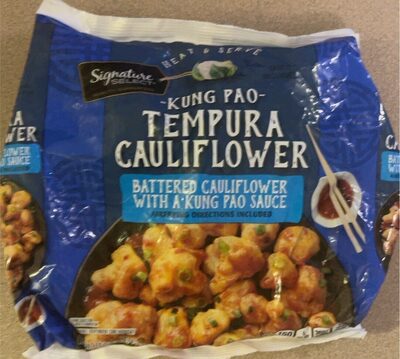
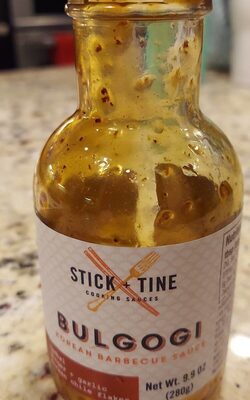
Learn more
Auto-generated content. This description was generated automatically and is pending editorial review. Inaccuracies are possible. Found a mistake? Contact us.