Sea Salt And Vegetable Enzymes
What is Sea Salt And Vegetable Enzymes?
Sea salt is obtained by evaporating seawater, leaving behind sodium chloride and trace minerals. Vegetable enzymes are proteins derived from plants or microorganisms grown on plant-based materials, acting as biological catalysts to speed up specific chemical reactions.
Is Sea Salt And Vegetable Enzymes vegan?
Sea Salt And Vegetable Enzymes is not animal-derived. Products that contain it can still include other animal-derived ingredients, so check the full ingredient list.
Is Sea Salt And Vegetable Enzymes a major allergen?
Not a major allergen.
What is Sea Salt And Vegetable Enzymes used for?
Sea salt is primarily used as a flavoring agent and a natural preservative in many foods, including cheese, pizza, and processed meats.
Is Sea Salt And Vegetable Enzymes safe?
Sea salt is Generally Recognized As Safe (GRAS) by the FDA.
Why it's used
Sea salt is primarily used as a flavoring agent and a natural preservative in many foods, including cheese, pizza, and processed meats. Vegetable enzymes are often used in cheese making to coagulate milk and help develop the desired texture and flavor.
Health notes
Sea salt is Generally Recognized As Safe (GRAS) by the FDA. While sodium is an essential nutrient, high intake is a public health concern linked to high blood pressure, with the FDA Daily Value for sodium set at 2,300 mg. Vegetable enzymes are generally considered safe for consumption and are often GRAS or approved food additives. JECFA has evaluated many food enzymes and typically finds no safety concern, often setting an acceptable daily intake as "not specified."
Allergen info
Not a major allergen.
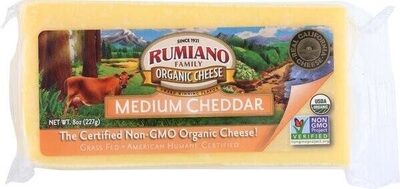
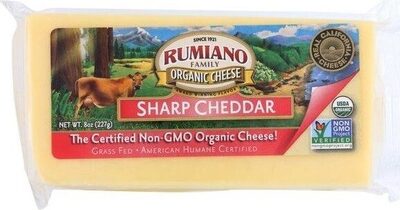
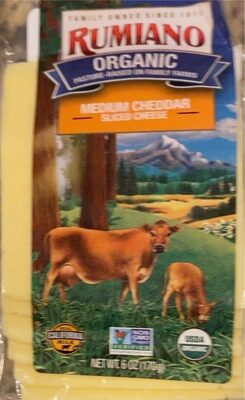
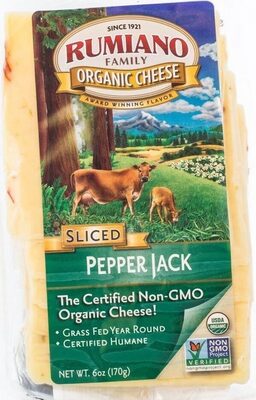
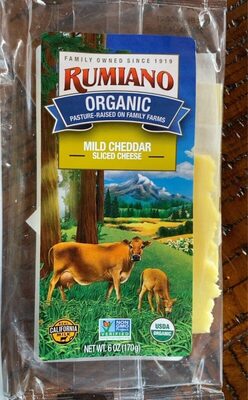
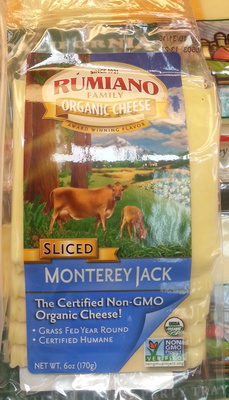
Foods that contain Sea Salt And Vegetable Enzymes
Compare products →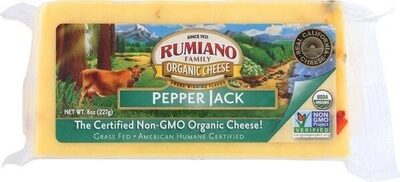
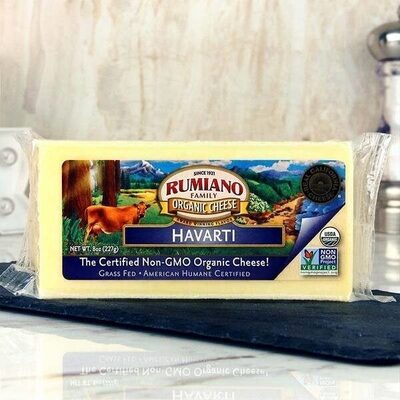
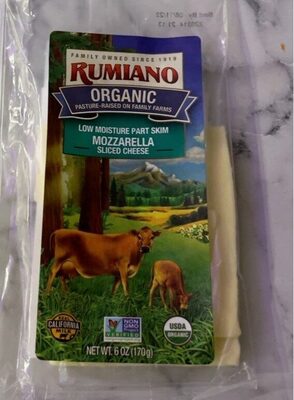
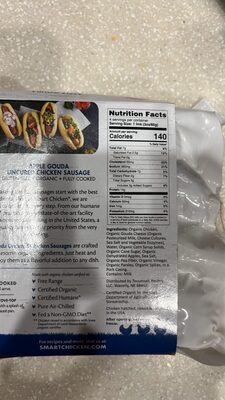
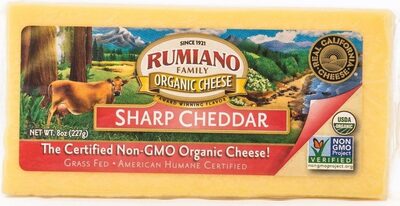
Auto-generated content. This description was generated automatically and is pending editorial review. Inaccuracies are possible. Found a mistake? Contact us.