Sea Salt & Citric Acid
What is Sea Salt & Citric Acid?
Sea salt is obtained by evaporating seawater, which leaves behind sodium chloride and other minerals. Citric acid is a natural acid found in citrus fruits like lemons and limes, and it can also be produced through the fermentation of carbohydrates.
Is Sea Salt & Citric Acid vegan?
Sea Salt & Citric Acid is not animal-derived. Products that contain it can still include other animal-derived ingredients, so check the full ingredient list.
Is Sea Salt & Citric Acid a major allergen?
Neither sea salt nor citric acid is a major allergen.
What is Sea Salt & Citric Acid used for?
This combination is frequently used to provide a tangy, salty flavor profile to various foods.
Is Sea Salt & Citric Acid safe?
Both sea salt and citric acid are considered Generally Recognized As Safe (GRAS) by the FDA.
Why it's used
This combination is frequently used to provide a tangy, salty flavor profile to various foods. Citric acid also functions as a preservative and an acidity regulator, while sea salt contributes to both flavor and preservation. These ingredients are often found in snacks, dips, and seafood dishes.
Health notes
Both sea salt and citric acid are considered Generally Recognized As Safe (GRAS) by the FDA. JECFA has evaluated both ingredients; for sea salt (as sodium chloride), no Acceptable Daily Intake (ADI) was specified, and for citric acid, an ADI "not specified" was also established, indicating very low toxicity. The FDA Daily Value for sodium is 2,300 mg.
Allergen info
Neither sea salt nor citric acid is a major allergen.
Foods that contain Sea Salt & Citric Acid
Compare products →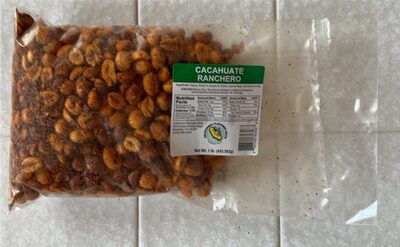 Ernest F. Bailey Inc.
Cacahuate Ranchero
607kcal
25Protein
46.4Fat
25Carbs
Ernest F. Bailey Inc.
Cacahuate Ranchero
607kcal
25Protein
46.4Fat
25Carbs
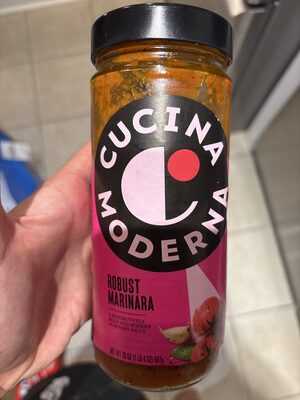 Mizkan America, Inc.
Robust Marinara Sauce, Robust Marinara
High in sodium — 23% DV per serving
72kcal
0.8Protein
5.6Fat
4.8Carbs
Fante Inc
Asado Salsa, Hot Roasted Chile & Tomate
50kcal
0Protein
0Fat
3.3Carbs
Shaw's Southern Belle Frozen Foods
Seafood Maryland Style Crab Cakes
High in sodium — 31% DV per serving
High in cholesterol — 23% DV per serving
208kcal
8.5Protein
10.4Fat
17.9Carbs
Fresh Innovations, LLC
Medium Salsa, Medium
24kcal
0Protein
0Fat
4.9Carbs
Walbak International Marketing Ltd.
Peanuts Chili & Lemon
786kcal
17.9Protein
64.3Fat
10.7Carbs
Mizkan America, Inc.
Robust Marinara Sauce, Robust Marinara
High in sodium — 23% DV per serving
72kcal
0.8Protein
5.6Fat
4.8Carbs
Fante Inc
Asado Salsa, Hot Roasted Chile & Tomate
50kcal
0Protein
0Fat
3.3Carbs
Shaw's Southern Belle Frozen Foods
Seafood Maryland Style Crab Cakes
High in sodium — 31% DV per serving
High in cholesterol — 23% DV per serving
208kcal
8.5Protein
10.4Fat
17.9Carbs
Fresh Innovations, LLC
Medium Salsa, Medium
24kcal
0Protein
0Fat
4.9Carbs
Walbak International Marketing Ltd.
Peanuts Chili & Lemon
786kcal
17.9Protein
64.3Fat
10.7Carbs
Learn more
Auto-generated content. This description was generated automatically and is pending editorial review. Inaccuracies are possible. Found a mistake? Contact us.