Sea Salt & Spices
Auto-generated content. This description was generated automatically and is pending editorial review. Inaccuracies are possible. Found a mistake? Contact us.
What it is
Sea salt is produced by evaporating seawater, leaving behind sodium chloride and trace minerals. Spices are dried, aromatic parts of plants, such as seeds, fruits, roots, or bark, used to flavor food.
Why it's used
Manufacturers add sea salt and spices to foods primarily to enhance flavor and aroma. Sea salt also acts as a preservative. They are commonly found in seasoning blends, marinades, and various prepared dishes.
Health notes
Sea salt and spices are generally recognized as safe (GRAS) by the FDA when used as flavoring agents. The primary component of sea salt, sodium chloride, is essential for bodily functions, but high intake can contribute to increased blood pressure, a concern highlighted by the FDA's Daily Value of 2,300 mg for sodium. JECFA has evaluated sodium chloride, and individual spices are also evaluated for safety. There is no evidence suggesting general health concerns for the broad category of 'spices' at typical intake levels.
Allergen info
Neither sea salt nor the general category of spices are considered major allergens by the FDA.
Products containing Sea Salt & Spices
Compare products →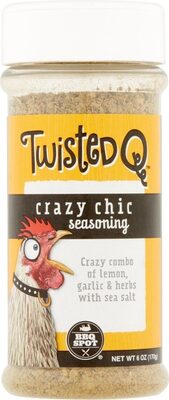 Old World Spices & Seasoning
Crazy Chic Seasoning
0kcal
0Protein
0Fat
0Carbs
Moshe's
Eggless Tolu
156kcal
11.8Protein
7.7Fat
12.3Carbs
Wellshire Farms, Inc.
Sugar Free Dry Rubbed Uncured Bacon Ends & Pieces
545kcal
36.4Protein
45.5Fat
0Carbs
Moshe's
Grilled Vegetable & Quinoa Burrito
High in sodium — 26% DV per serving
146kcal
4.5Protein
1.5Fat
27.8Carbs
La Quercia LLC
Spicy Prosciutto Cured Meats, Spicy Prosciutto
High in sodium — 25% DV per serving
250kcal
32.1Protein
10.7Fat
0Carbs
Beer Nuts, Inc.
Sweet & Spicy Cantina Mix, Sweet & Spicy
43kcal
14.3Protein
32.1Fat
50Carbs
Hoboken Farm Stand Inc.
Basil Marinara Sauce, Basil Marinara
71kcal
0.9Protein
5.3Fat
4.4Carbs
Old World Spices & Seasoning
Crazy Chic Seasoning
0kcal
0Protein
0Fat
0Carbs
Moshe's
Eggless Tolu
156kcal
11.8Protein
7.7Fat
12.3Carbs
Wellshire Farms, Inc.
Sugar Free Dry Rubbed Uncured Bacon Ends & Pieces
545kcal
36.4Protein
45.5Fat
0Carbs
Moshe's
Grilled Vegetable & Quinoa Burrito
High in sodium — 26% DV per serving
146kcal
4.5Protein
1.5Fat
27.8Carbs
La Quercia LLC
Spicy Prosciutto Cured Meats, Spicy Prosciutto
High in sodium — 25% DV per serving
250kcal
32.1Protein
10.7Fat
0Carbs
Beer Nuts, Inc.
Sweet & Spicy Cantina Mix, Sweet & Spicy
43kcal
14.3Protein
32.1Fat
50Carbs
Hoboken Farm Stand Inc.
Basil Marinara Sauce, Basil Marinara
71kcal
0.9Protein
5.3Fat
4.4Carbs