Sea Vegetable
What is Sea Vegetable?
Sea vegetables are edible seaweeds, including algae like kelp, nori, and dulse. They grow in the ocean and are harvested from wild populations or cultivated farms. After harvesting, they are typically washed, dried, and sometimes processed into powders or flakes.
Is Sea Vegetable vegan?
Sea Vegetable is not animal-derived. Products that contain it can still include other animal-derived ingredients, so check the full ingredient list.
Is Sea Vegetable gluten-free?
They do not contain gluten.
Is Sea Vegetable a major allergen?
Sea vegetables are not one of the 9 FDA major allergens.
What is Sea Vegetable used for?
Sea vegetables are used as a source of flavor, texture, and nutrients in various foods.
Is Sea Vegetable safe?
Sea vegetables are generally recognized as safe (GRAS) by the FDA when used as food.
Why it's used
Sea vegetables are used as a source of flavor, texture, and nutrients in various foods. They can add a savory, umami taste and a slightly chewy or tender texture. Common applications include soups, salads, sushi, snacks, and as a seasoning.
Health notes
Sea vegetables are generally recognized as safe (GRAS) by the FDA when used as food. They are a natural source of vitamins, minerals, and fiber. Some sea vegetables, like kelp, are very high in iodine, which is essential for thyroid function, but excessive intake can lead to thyroid problems. JECFA has evaluated certain seaweed extracts and established acceptable daily intakes for them. Regulatory bodies monitor heavy metal content in sea vegetables.
Allergen info
Sea vegetables are not one of the 9 FDA major allergens. They do not contain gluten.
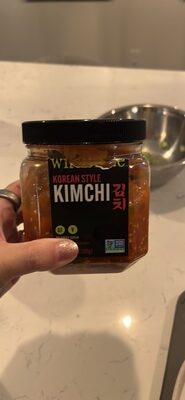
Foods that contain Sea Vegetable
Compare products →
Auto-generated content. This description was generated automatically and is pending editorial review. Inaccuracies are possible. Found a mistake? Contact us.