Select Penicillium Roquefortii
Auto-generated content. This description was generated automatically and is pending editorial review. Inaccuracies are possible. Found a mistake? Contact us.
What it is
Penicillium roqueforti is a type of mold used to produce the characteristic blue-green veins and pungent flavor in blue cheeses. It is a naturally occurring mold, often cultivated on specific media in controlled laboratory environments before being introduced to cheese curds during the cheesemaking process.
Why it's used
This mold is essential for developing the unique flavor profile and appearance of blue cheeses like Roquefort, Gorgonzola, and Stilton. It is added during the cheesemaking process to create the distinctive blue marbling and sharp, tangy taste.
Health notes
Penicillium roqueforti is generally recognized as safe (GRAS) by the FDA for its use in food. It is a natural component of blue cheese and is consumed by millions without reported adverse health effects. International bodies like EFSA have also evaluated molds used in food production. Evidence does not suggest negative health impacts from its consumption in typical amounts found in cheese.
Allergen info
Penicillium roqueforti itself is not one of the nine major allergens. However, it is used in the production of cheese, which is a dairy product and a major allergen.
Products containing Select Penicillium Roquefortii
Compare products →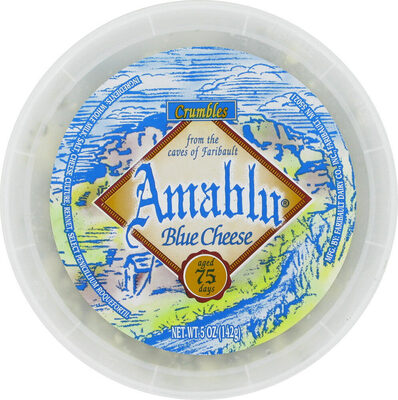 Faribault Dairy Company, Inc.
Blue Cheese Crumbles, Blue
High in saturated fat — 30% DV per serving
357kcal
21.4Protein
28.6Fat
3.6Carbs
Faribault Dairy Company, Inc.
Blue Cheese Crumbles, Blue
High in saturated fat — 30% DV per serving
357kcal
21.4Protein
28.6Fat
3.6Carbs