Whole Milk
Auto-generated content. This description was generated automatically and is pending editorial review. Inaccuracies are possible. Found a mistake? Contact us.
What it is
Whole milk is a dairy product obtained from cows, containing its full natural fat content. It is typically pasteurized (heated to kill harmful bacteria) and homogenized (fat particles are broken down to prevent separation) for safety and consistency.
Why it's used
Manufacturers use whole milk for its rich flavor, creamy texture, and nutritional value in a variety of food products. It is a common ingredient in baked goods, desserts, sauces, and ready-to-eat meals, contributing to moisture and richness.
Health notes
Whole milk is regulated by the FDA as a food product. It is a source of essential nutrients like calcium, vitamin D (when fortified), and protein. However, it is also high in saturated fat, and the 2025-2030 Dietary Guidelines for Americans recommend limiting saturated fat intake to less than 10% of daily calories. JECFA has evaluated dairy products as part of a healthy diet, and EFSA has also assessed milk and dairy products for safety and nutritional aspects. Evidence regarding the role of dairy fat in cardiovascular health is mixed, with some studies suggesting it may not be as detrimental as once thought, while others support moderation due to its saturated fat content.
Allergen info
Whole milk is one of the nine major food allergens identified by the FDA.
Products containing Whole Milk
Compare products →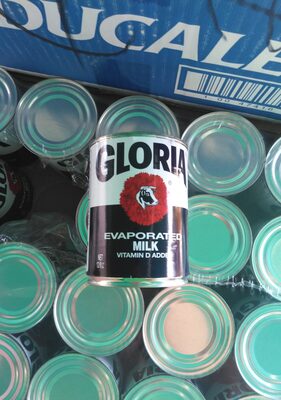 GLORIA
Milk Evaporated
133kcal
6.7Protein
8.3Fat
10Carbs
ZARO'S BAKERY
Zaro's Bakery, Apricot Rugelach
393kcal
7.1Protein
28.6Fat
46.4Carbs
GLORIA
Milk Evaporated
133kcal
6.7Protein
8.3Fat
10Carbs
ZARO'S BAKERY
Zaro's Bakery, Apricot Rugelach
393kcal
7.1Protein
28.6Fat
46.4Carbs