Semolina Durum Wheat
Auto-generated content. This description was generated automatically and is pending editorial review. Inaccuracies are possible. Found a mistake? Contact us.
What it is
Semolina is a coarse flour made from durum wheat, a hard variety of wheat. It is produced by milling the wheat kernel into coarse granules, retaining the bran and germ. Durum wheat is known for its high protein content and gluten strength.
Why it's used
Semolina is primarily used in making pasta, couscous, and some types of bread and breakfast cereals. Its granular texture and ability to hold its shape when cooked make it ideal for pasta production. It provides structure and a slightly chewy texture to baked goods and pasta.
Health notes
Semolina is a grain product and a source of carbohydrates, protein, and fiber. It is generally recognized as safe (GRAS) by the FDA when used as a food ingredient. The Joint FAO/WHO Expert Committee on Food Additives (JECFA) has evaluated semolina, but no specific numeric limits or ADI were set. Like other wheat products, it is a source of gluten.
Allergen info
Semolina is derived from wheat, which is one of the 9 FDA major food allergens. It contains gluten, a protein found in wheat that can cause adverse reactions in individuals with celiac disease or non-celiac gluten sensitivity.
Products containing Semolina Durum Wheat
Compare products →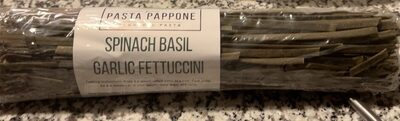 NOVELTY TRADING CORPORATION
Spinach Basil Garlic Flavored Pasta, Fettuccini, Spinach Basil Garlic
368kcal
14.0Protein
1.8Fat
73.7Carbs
NOVELTY TRADING CORPORATION
Thai Citrus Ginger Flavored Pasta, Linguini, Thai Citrus Ginger
368kcal
12.3Protein
2.6Fat
71.9Carbs
NOVELTY TRADING CORPORATION
Lemon Pepper Fettuccini Flavored Pasta, Lemon Pepper Fettuccini
368kcal
12.3Protein
2.6Fat
71.9Carbs
NOVELTY TRADING CORPORATION
Spinach Basil Garlic Flavored Pasta, Fettuccini, Spinach Basil Garlic
368kcal
14.0Protein
1.8Fat
73.7Carbs
NOVELTY TRADING CORPORATION
Thai Citrus Ginger Flavored Pasta, Linguini, Thai Citrus Ginger
368kcal
12.3Protein
2.6Fat
71.9Carbs
NOVELTY TRADING CORPORATION
Lemon Pepper Fettuccini Flavored Pasta, Lemon Pepper Fettuccini
368kcal
12.3Protein
2.6Fat
71.9Carbs
 BRAMI Inc.
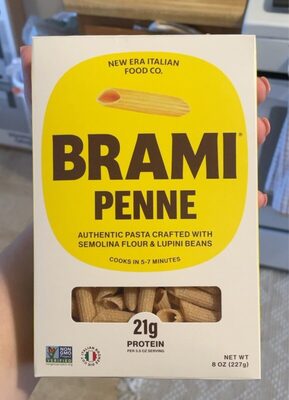
Classic Italian Pasta, Penne
357kcal
21.4Protein
5.4Fat
62.5Carbs
BRAMI Inc.
Classic Italian Pasta, Penne
357kcal
21.4Protein
5.4Fat
62.5Carbs
 BRAMI Inc.
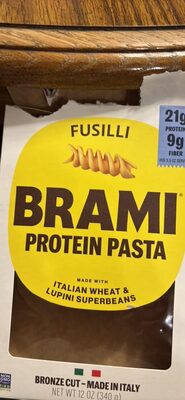
Classic Italian Pasta, Fusilli
357kcal
21.4Protein
5.4Fat
62.5Carbs
BRAMI Inc.
Classic Italian Pasta, Fusilli
357kcal
21.4Protein
5.4Fat
62.5Carbs
 BRAMI Inc.
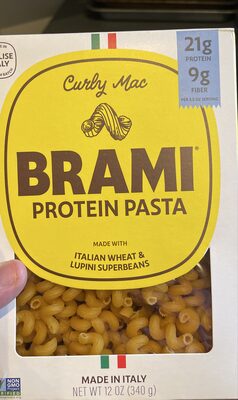
Classic Italian Pasta, Curly Macaroni
357kcal
21.4Protein
5.4Fat
62.5Carbs
BRAMI Inc.
Classic Italian Pasta, Curly Macaroni
357kcal
21.4Protein
5.4Fat
62.5Carbs
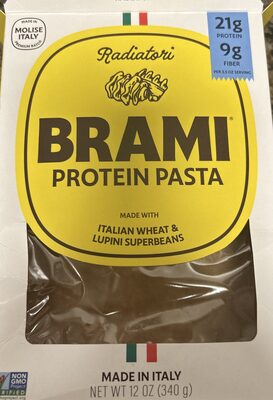 BRAMI Inc.
Classic Italian Pasta, Radiatori
357kcal
21.4Protein
5.4Fat
62.5Carbs
BRAMI Inc.
Classic Italian Pasta, Radiatori
357kcal
21.4Protein
5.4Fat
62.5Carbs