Enriched Macaroni
What is Enriched Macaroni?
Enriched macaroni is a type of pasta made from durum wheat flour. It is enriched, meaning that specific vitamins and iron have been added back after processing. This process helps to restore nutrients that may be lost during the milling of the wheat.
Is Enriched Macaroni vegan?
Enriched Macaroni is not animal-derived. Products that contain it can still include other animal-derived ingredients, so check the full ingredient list.
Is Enriched Macaroni gluten-free?
It contains gluten.
Is Enriched Macaroni a major allergen?
Enriched macaroni is made from wheat, which is one of the FDA's 9 major food allergens.
What is Enriched Macaroni used for?
Manufacturers add enriched macaroni to products as a carbohydrate source and a base for meals.
Is Enriched Macaroni safe?
Enriched macaroni is a common food ingredient in the US.
Why it's used
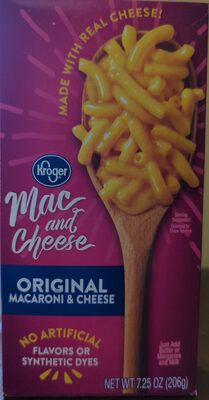
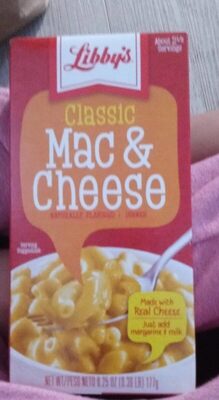
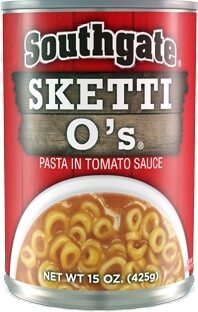
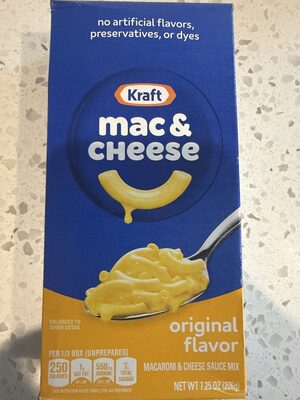
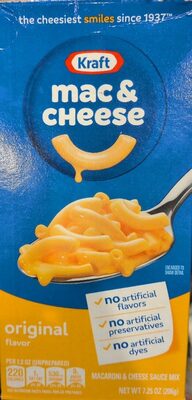
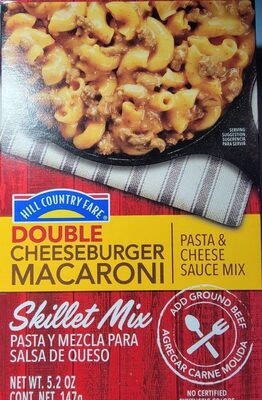
Manufacturers add enriched macaroni to products as a carbohydrate source and a base for meals. It is commonly found in boxed macaroni and cheese dinners, pasta salads, and as a side dish. Its neutral flavor allows it to absorb the tastes of sauces and other ingredients.
Health notes
Enriched macaroni is a common food ingredient in the US. The enrichment process adds back essential nutrients like B vitamins and iron, which can contribute to overall dietary intake. Regulatory bodies like the FDA oversee food ingredients to ensure safety. JECFA and EFSA have evaluated many food ingredients, and their assessments inform global food safety standards.
Allergen info
Enriched macaroni is made from wheat, which is one of the FDA's 9 major food allergens. It contains gluten. Consumers with celiac disease or gluten sensitivity should avoid it.
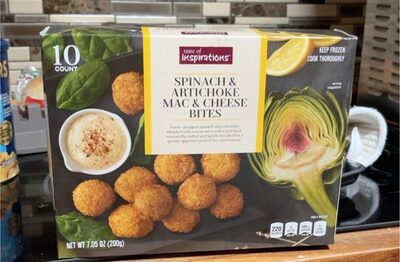
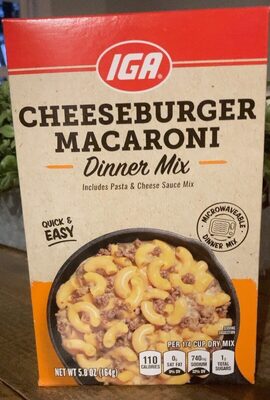
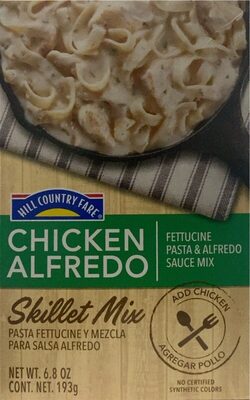
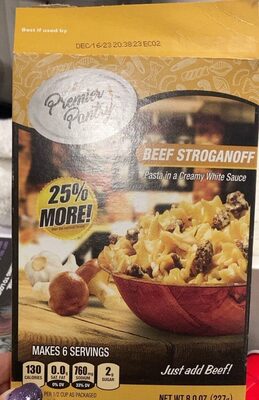
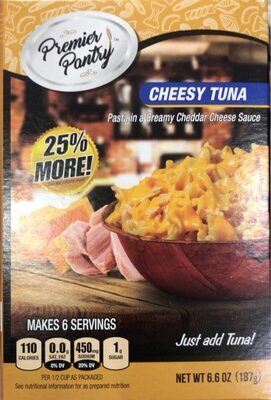
Foods that contain Enriched Macaroni
Compare products →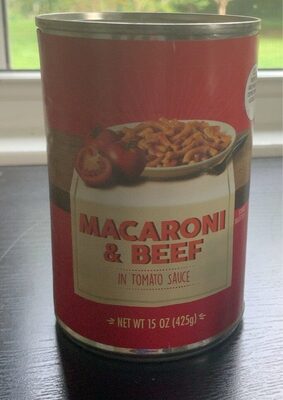
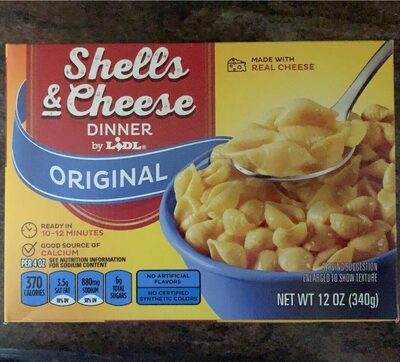
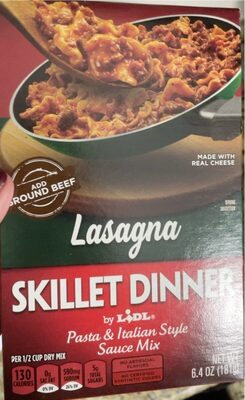
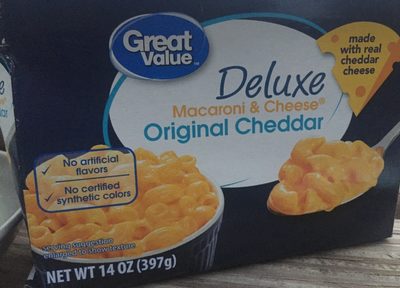
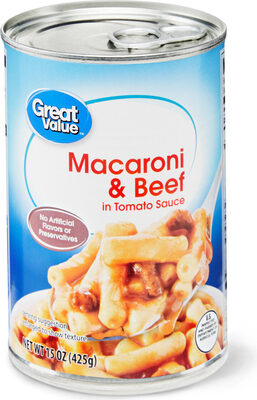
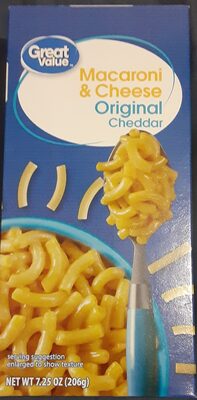
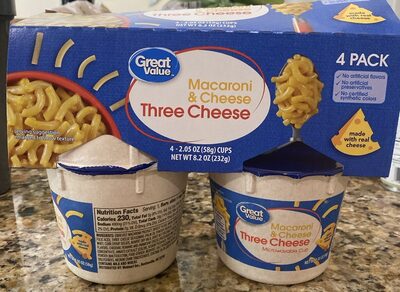
Learn more
Auto-generated content. This description was generated automatically and is pending editorial review. Inaccuracies are possible. Found a mistake? Contact us.