Sesame Seeds Seaweed
What is Sesame Seeds Seaweed?
Sesame seeds are tiny, flat seeds that come from the Sesamum indicum plant, native to Africa. Seaweed refers to a variety of marine algae, ranging from microscopic to very large. Both are harvested from nature and often dried or processed for food use.
Is Sesame Seeds Seaweed vegan?
Sesame Seeds Seaweed is not animal-derived. Products that contain it can still include other animal-derived ingredients, so check the full ingredient list.
Is Sesame Seeds Seaweed gluten-free?
Gluten is not present in either ingredient.
Is Sesame Seeds Seaweed a major allergen?
Sesame seeds are one of the 9 FDA major allergens.
What is Sesame Seeds Seaweed used for?
Sesame seeds add a nutty flavor and crunchy texture to foods like breads, crackers, and snack mixes.
Is Sesame Seeds Seaweed safe?
Sesame seeds are a source of fiber, protein, and healthy fats.
Why it's used
Sesame seeds add a nutty flavor and crunchy texture to foods like breads, crackers, and snack mixes. Seaweed is used to add umami flavor and texture to dishes like sushi, soups, and salads, and is also processed into snacks.
Health notes
Sesame seeds are a source of fiber, protein, and healthy fats. Seaweed can be a source of iodine and other minerals. Both are generally recognized as safe by the FDA. JECFA and EFSA have evaluated various components of seaweed, such as alginates, but no specific evaluations for the combined ingredient are noted. No major health controversies are associated with typical consumption.
Allergen info
Sesame seeds are one of the 9 FDA major allergens. Seaweed is not a major allergen. Gluten is not present in either ingredient.
Foods that contain Sesame Seeds Seaweed
Compare products →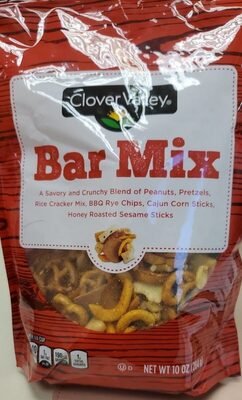 Star Snacks Co., Inc.
A Savory And Crunchy Blend Of Peanuts, Pretzels, Rice Cracker Mix, BBQ Rye Chips, Cajun Corn Sticks, Honey Roasted Sesame Sticks Bar Mix
500kcal
14.3Protein
25Fat
53.6Carbs
Genji, Inc.
Wisconsin Roll Qbr, Wisconsin
High in sodium — 61% DV per serving
142kcal
3.4Protein
5.7Fat
20.2Carbs
Genji, Inc.
New York Roll Qbr, New York
High in sodium — 61% DV per serving
142kcal
3.4Protein
5.7Fat
20.2Carbs
Star Snacks Co., Inc.
A Savory And Crunchy Blend Of Peanuts, Pretzels, Rice Cracker Mix, BBQ Rye Chips, Cajun Corn Sticks, Honey Roasted Sesame Sticks Bar Mix
500kcal
14.3Protein
25Fat
53.6Carbs
Genji, Inc.
Wisconsin Roll Qbr, Wisconsin
High in sodium — 61% DV per serving
142kcal
3.4Protein
5.7Fat
20.2Carbs
Genji, Inc.
New York Roll Qbr, New York
High in sodium — 61% DV per serving
142kcal
3.4Protein
5.7Fat
20.2Carbs
Auto-generated content. This description was generated automatically and is pending editorial review. Inaccuracies are possible. Found a mistake? Contact us.