Fruit And Vegetable Juice
Auto-generated content. This description was generated automatically and is pending editorial review. Inaccuracies are possible. Found a mistake? Contact us.
What it is
Fruit and vegetable juice is the liquid extracted from fruits and vegetables. It is made by pressing or blending the produce, and then often filtered. Sometimes, the juice is concentrated by removing water.
Why it's used
Manufacturers add fruit and vegetable juices to foods and drinks for several reasons. They provide natural color, flavor, and can also act as a sweetener. You can find them in products like yogurts, fruit drinks, and various snacks.
Health notes
In the United States, fruit and vegetable juices are considered food ingredients. When used for coloring, they are exempt from certification by the FDA. They are generally recognized as safe for consumption. While they offer some nutrients, they typically lack the fiber found in whole fruits and vegetables, and some juices can be high in natural sugars. Neither JECFA nor EFSA typically evaluate fruit and vegetable juices as food additives, as they are considered whole food components.
Allergen info
Not a major allergen. While some people may have allergies to specific fruits or vegetables, fruit and vegetable juices are not among the nine major allergens identified by the FDA.
Products containing Fruit And Vegetable Juice
Compare products → FRESH & EASY
Lowfat Yogurt
100kcal
3.5Protein
0.9Fat
19.4Carbs
STARBUCKS
Sparkling Juice Blend From Concentrate
25kcal
0Protein
0Fat
6.2Carbs
FRESH & EASY
Lowfat Yogurt
100kcal
3.5Protein
0.9Fat
19.4Carbs
STARBUCKS
Sparkling Juice Blend From Concentrate
25kcal
0Protein
0Fat
6.2Carbs
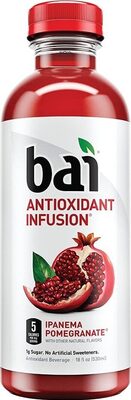 BAI
Antioxidant Beverage
2kcal
0Protein
0Fat
2.5Carbs
BAI
Antioxidant Beverage
2kcal
0Protein
0Fat
2.5Carbs
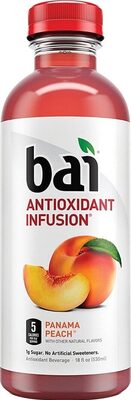 BAI
Antioxidant Beverage
2kcal
0Protein
0Fat
2.5Carbs
BAI
Antioxidant Beverage
2kcal
0Protein
0Fat
2.5Carbs