Short-chain Fructooligosaccharides
What is Short-chain Fructooligosaccharides?
Short-chain fructooligosaccharides (scFOS) are a type of carbohydrate made up of short chains of fructose sugar molecules. They are often produced commercially by enzymatic conversion of sucrose or from chicory root. scFOS are considered a type of prebiotic fiber.
Is Short-chain Fructooligosaccharides vegan?
Short-chain Fructooligosaccharides is not animal-derived. Products that contain it can still include other animal-derived ingredients, so check the full ingredient list.
Is Short-chain Fructooligosaccharides gluten-free?
They do not contain gluten.
Is Short-chain Fructooligosaccharides a major allergen?
Short-chain fructooligosaccharides are not derived from any of the nine major allergens recognized by the FDA.
What is Short-chain Fructooligosaccharides used for?
Manufacturers add scFOS to foods as a low-calorie sweetener and to improve texture.
Is Short-chain Fructooligosaccharides safe?
In the U.S., scFOS are generally recognized as safe (GRAS) by the FDA for use in certain food categories.
Why it's used
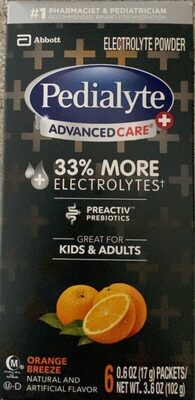
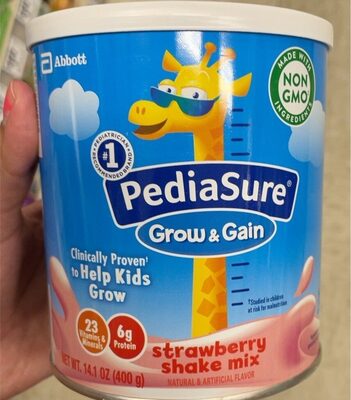
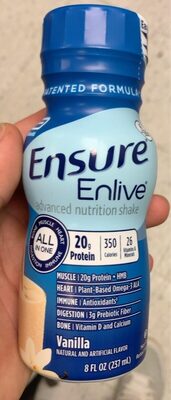
Manufacturers add scFOS to foods as a low-calorie sweetener and to improve texture. They are also used to increase the fiber content of products. scFOS can be found in a variety of foods, including baked goods, dairy products, beverages, and nutritional supplements.
Health notes
In the U.S., scFOS are generally recognized as safe (GRAS) by the FDA for use in certain food categories. They are not digested in the small intestine and reach the colon, where they can be fermented by beneficial gut bacteria. Some studies suggest potential benefits for gut health, but research is ongoing. JECFA and EFSA have evaluated scFOS and established acceptable daily intakes.
Allergen info
Short-chain fructooligosaccharides are not derived from any of the nine major allergens recognized by the FDA. They do not contain gluten.
Foods that contain Short-chain Fructooligosaccharides
Compare products →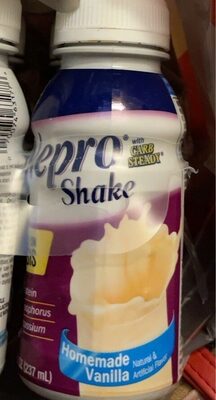
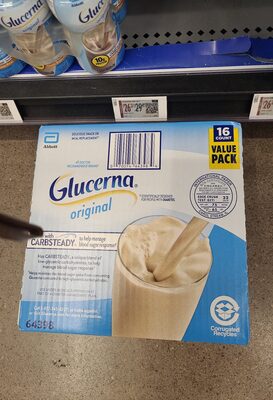


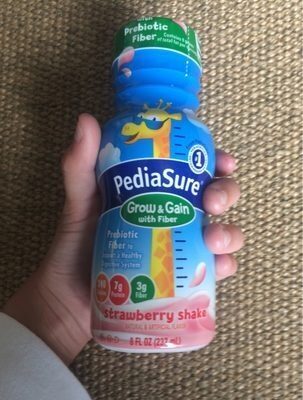
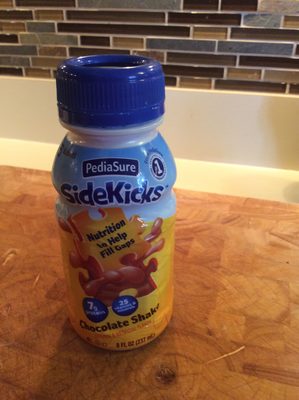











Learn more
Auto-generated content. This description was generated automatically and is pending editorial review. Inaccuracies are possible. Found a mistake? Contact us.