Slow Roasted Tomatoes
What is Slow Roasted Tomatoes?
Slow roasted tomatoes are tomatoes that have been cooked at a low temperature for an extended period. This process concentrates their natural sugars and deepens their flavor, giving them a rich, sweet, and slightly smoky taste.
Is Slow Roasted Tomatoes vegan?
Slow Roasted Tomatoes is not animal-derived. Products that contain it can still include other animal-derived ingredients, so check the full ingredient list.
Is Slow Roasted Tomatoes gluten-free?
They do not contain gluten.
Is Slow Roasted Tomatoes a major allergen?
Tomatoes are not one of the nine major allergens recognized by the FDA.
What is Slow Roasted Tomatoes used for?
Manufacturers use slow roasted tomatoes to add an intense, savory tomato flavor and a tender texture to foods.
Is Slow Roasted Tomatoes safe?
Slow roasted tomatoes are a whole food and are generally recognized as safe by the FDA.
Why it's used
Manufacturers use slow roasted tomatoes to add an intense, savory tomato flavor and a tender texture to foods. They are often found in sauces, dips, spreads, and as a component in prepared meals like pasta dishes and pizzas.
Health notes
Slow roasted tomatoes are a whole food and are generally recognized as safe by the FDA. They are a good source of vitamins and antioxidants, such as lycopene. International bodies like EFSA have evaluated tomatoes and their components, finding them safe for consumption. No specific health concerns are associated with consuming slow roasted tomatoes in typical dietary amounts.
Allergen info
Tomatoes are not one of the nine major allergens recognized by the FDA. They do not contain gluten.
Foods that contain Slow Roasted Tomatoes
Compare products →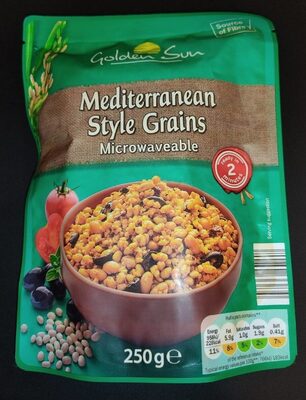
Auto-generated content. This description was generated automatically and is pending editorial review. Inaccuracies are possible. Found a mistake? Contact us.