Smoke Flavor And Sodium Phosphate
What is Smoke Flavor And Sodium Phosphate?
Smoke flavor is created by burning wood and capturing the smoke. Sodium phosphate is a salt that can be made from phosphoric acid and sodium. Together, they are used to add a smoky taste and improve the texture and shelf life of processed meats.
Is Smoke Flavor And Sodium Phosphate a major allergen?
Not a major allergen.
What is Smoke Flavor And Sodium Phosphate used for?
Manufacturers add smoke flavor and sodium phosphate to processed meats like bacon, sausages, and ribs to impart a smoky taste and aroma.
Is Smoke Flavor And Sodium Phosphate safe?
Smoke flavorings are generally recognized as safe (GRAS) by the FDA when used as intended.
Why it's used
Manufacturers add smoke flavor and sodium phosphate to processed meats like bacon, sausages, and ribs to impart a smoky taste and aroma. Sodium phosphate also helps retain moisture, improve texture, and act as a preservative, extending the shelf life of these products.
Health notes
Smoke flavorings are generally recognized as safe (GRAS) by the FDA when used as intended. Sodium phosphates are also GRAS for use as food additives. While some studies have raised concerns about high phosphate intake from processed foods, particularly regarding kidney health and cardiovascular risk, regulatory bodies like the FDA consider them safe at typical consumption levels. JECFA has evaluated sodium phosphates and set an acceptable daily intake.
Allergen info
Not a major allergen.
Foods that contain Smoke Flavor And Sodium Phosphate
Compare products →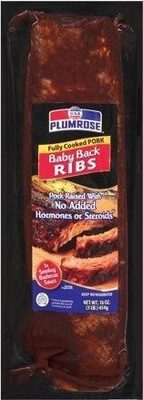 Plumrose USA, Inc.
Smokey Barbecue Sauce Baby Back Ribs
High in sodium — 40% DV per serving
High in saturated fat — 30% DV per serving
229kcal
14.3Protein
10Fat
20Carbs
Plumrose USA, Inc.
Fully Cooked Pork Baby Back Ribs
High in sodium — 77% DV per serving
High in saturated fat — 35% DV per serving
High in cholesterol — 21% DV per serving
186kcal
9.3Protein
15.7Fat
2.1Carbs
Hy-Vee, Inc.
Baby Back Ribs
High in sodium — 34% DV per serving
High in saturated fat — 40% DV per serving
High in cholesterol — 25% DV per serving
236kcal
10.7Protein
16.4Fat
10.7Carbs
Plumrose USA, Inc.
St. Louis Style In Smokey Barbecue Sauce Spare Ribs
High in sodium — 39% DV per serving
High in saturated fat — 35% DV per serving
High in cholesterol — 21% DV per serving
236kcal
14.3Protein
11.4Fat
18.6Carbs
Plumrose USA, Inc.
Smokey Barbecue Sauce Baby Back Ribs
High in sodium — 40% DV per serving
High in saturated fat — 30% DV per serving
229kcal
14.3Protein
10Fat
20Carbs
Plumrose USA, Inc.
Fully Cooked Pork Baby Back Ribs
High in sodium — 77% DV per serving
High in saturated fat — 35% DV per serving
High in cholesterol — 21% DV per serving
186kcal
9.3Protein
15.7Fat
2.1Carbs
Hy-Vee, Inc.
Baby Back Ribs
High in sodium — 34% DV per serving
High in saturated fat — 40% DV per serving
High in cholesterol — 25% DV per serving
236kcal
10.7Protein
16.4Fat
10.7Carbs
Plumrose USA, Inc.
St. Louis Style In Smokey Barbecue Sauce Spare Ribs
High in sodium — 39% DV per serving
High in saturated fat — 35% DV per serving
High in cholesterol — 21% DV per serving
236kcal
14.3Protein
11.4Fat
18.6Carbs
Learn more
Auto-generated content. This description was generated automatically and is pending editorial review. Inaccuracies are possible. Found a mistake? Contact us.