Smoke Paprika
What is Smoke Paprika?
Smoked paprika is a spice made from peppers that have been dried and then smoked over wood, typically oak. The smoking process gives the paprika a deep, smoky flavor and a rich red color. It is a ground powder that adds both taste and visual appeal to foods.
Is Smoke Paprika vegan?
Smoke Paprika is not animal-derived. Products that contain it can still include other animal-derived ingredients, so check the full ingredient list.
Is Smoke Paprika gluten-free?
It does not contain gluten.
Is Smoke Paprika a major allergen?
Smoked paprika is not derived from any of the nine FDA major allergens.
What is Smoke Paprika used for?
Manufacturers use smoked paprika primarily to add a smoky flavor and a vibrant red color to a wide variety of foods.
Is Smoke Paprika safe?
Smoked paprika is generally recognized as safe (GRAS) by the FDA when used as a spice.
Why it's used
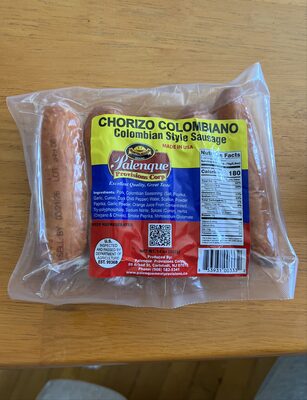
Manufacturers use smoked paprika primarily to add a smoky flavor and a vibrant red color to a wide variety of foods. It is commonly found in spice blends, marinades, rubs, and as a finishing spice. Foods like sausages, stews, roasted vegetables, and dips often feature smoked paprika.
Health notes
Smoked paprika is generally recognized as safe (GRAS) by the FDA when used as a spice. It is a source of antioxidants, like capsanthin, which give it its red color. Regulatory bodies like EFSA have evaluated paprika extracts for safety. While generally safe, consuming very large amounts might cause mild digestive upset in some individuals.
Allergen info
Smoked paprika is not derived from any of the nine FDA major allergens. It does not contain gluten.
Foods that contain Smoke Paprika
Compare products →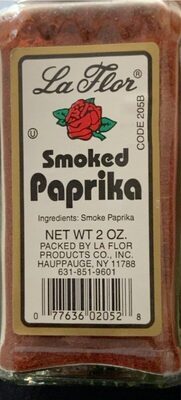

Learn more
Auto-generated content. This description was generated automatically and is pending editorial review. Inaccuracies are possible. Found a mistake? Contact us.