Sodium Acid Pyrophophate
What is Sodium Acid Pyrophophate?
Sodium acid pyrophosphate is a white, crystalline powder that is a salt of pyrophosphoric acid. It is produced by heating sodium phosphate. It is commonly used as a leavening agent in baked goods.
Is Sodium Acid Pyrophophate vegan?
Sodium Acid Pyrophophate is not animal-derived. Products that contain it can still include other animal-derived ingredients, so check the full ingredient list.
Is Sodium Acid Pyrophophate gluten-free?
It does not contain gluten.
Is Sodium Acid Pyrophophate a major allergen?
Not a major allergen.
What is Sodium Acid Pyrophophate used for?
It is often combined with baking soda to create a chemical leavening system in baked goods like cookies, cakes, and biscuits.
Is Sodium Acid Pyrophophate safe?
Sodium acid pyrophosphate is generally recognized as safe (GRAS) by the FDA when used as a food additive.
Why it's used
It is often combined with baking soda to create a chemical leavening system in baked goods like cookies, cakes, and biscuits. This combination produces carbon dioxide gas, which causes the dough to rise and become light and fluffy. It also acts as a buffering agent and can help maintain a desired pH in food products.
Health notes
Sodium acid pyrophosphate is generally recognized as safe (GRAS) by the FDA when used as a food additive. It is a source of phosphorus, and excessive intake of phosphorus from all sources can be a concern for individuals with kidney disease. JECFA has evaluated it and set an acceptable daily intake. It is not known to cause adverse health effects at the levels typically found in food.
Allergen info
Not a major allergen. It does not contain gluten.
Foods that contain Sodium Acid Pyrophophate
Compare products →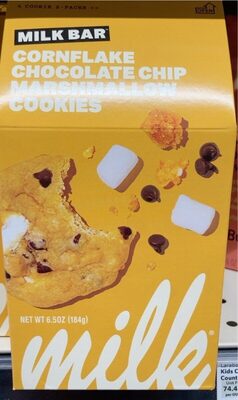 MomoMilk, LLC dba Milk Bar
Cornflake Chocolate Chip Marshmallow Cookies, Cornflake Chocolate Chip Marshmallow
High in saturated fat — 20% DV per serving
High in added sugars — 28% DV per serving
478kcal
4.3Protein
15.2Fat
67.4Carbs
MomoMilk, LLC dba Milk Bar
Cornflake Chocolate Chip Marshmallow Cookies, Cornflake Chocolate Chip Marshmallow
High in saturated fat — 20% DV per serving
High in added sugars — 28% DV per serving
478kcal
4.3Protein
15.2Fat
67.4Carbs
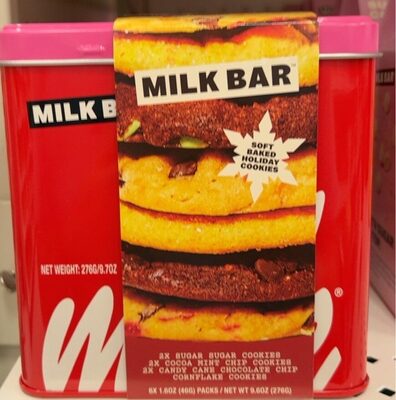 MomoMilk, LLC dba Milk Bar
Milk Bar Holiday Cookie Tin, 6 Count
High in added sugars — 34% DV per serving
457kcal
4.3Protein
15.2Fat
67.4Carbs
Cell-Nique Corp.
Carrot Cake Mix
370kcal
3.4Protein
0Fat
84.1Carbs
MomoMilk, LLC dba Milk Bar
Valentine's Cookie
High in saturated fat — 20% DV per serving
High in added sugars — 28% DV per serving
478kcal
4.3Protein
15.2Fat
67.4Carbs
MomoMilk, LLC dba Milk Bar
Milk Bar Holiday Cookie Tin, 6 Count
High in added sugars — 34% DV per serving
457kcal
4.3Protein
15.2Fat
67.4Carbs
Cell-Nique Corp.
Carrot Cake Mix
370kcal
3.4Protein
0Fat
84.1Carbs
MomoMilk, LLC dba Milk Bar
Valentine's Cookie
High in saturated fat — 20% DV per serving
High in added sugars — 28% DV per serving
478kcal
4.3Protein
15.2Fat
67.4Carbs
Auto-generated content. This description was generated automatically and is pending editorial review. Inaccuracies are possible. Found a mistake? Contact us.