Sodium Alginate And Carob Bean Gum
What is Sodium Alginate And Carob Bean Gum?
Sodium alginate is a salt derived from alginic acid, which comes from brown seaweed. Carob bean gum, also known as locust bean gum, is a powder extracted from the seeds of the carob tree. Both are processed to create food-grade thickeners and stabilizers.
Is Sodium Alginate And Carob Bean Gum vegan?
Sodium Alginate And Carob Bean Gum is not animal-derived. Products that contain it can still include other animal-derived ingredients, so check the full ingredient list.
Is Sodium Alginate And Carob Bean Gum gluten-free?
Neither ingredient contains gluten.
Is Sodium Alginate And Carob Bean Gum a major allergen?
Not a major allergen.
What is Sodium Alginate And Carob Bean Gum used for?
These gums are used as thickeners, stabilizers, and emulsifiers in a variety of foods.
Is Sodium Alginate And Carob Bean Gum safe?
Sodium alginate and carob bean gum are generally recognized as safe (GRAS) by the FDA.
Why it's used
These gums are used as thickeners, stabilizers, and emulsifiers in a variety of foods. They help improve texture and prevent ingredients from separating, commonly found in ice cream, yogurt, sauces, dressings, and baked goods.
Health notes
Sodium alginate and carob bean gum are generally recognized as safe (GRAS) by the FDA. They are considered dietary fibers and can contribute to digestive health. Both have been evaluated by JECFA and EFSA, who have not set a numerical limit (ADI not specified) for their use as food additives.
Allergen info
Not a major allergen. Carob bean gum is derived from a tree nut (carob tree), but it is not considered one of the major allergens. Neither ingredient contains gluten.
Foods that contain Sodium Alginate And Carob Bean Gum
Compare products →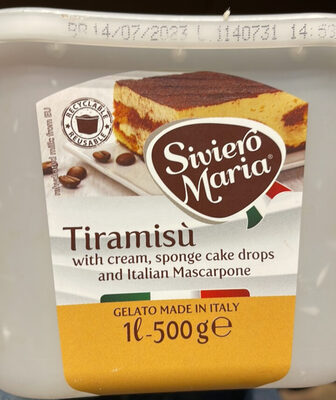
Learn more
Auto-generated content. This description was generated automatically and is pending editorial review. Inaccuracies are possible. Found a mistake? Contact us.