Sodium Alginate And Xanthan Gums
What is Sodium Alginate And Xanthan Gums?
Sodium alginate is a salt derived from alginic acid, which is found in brown seaweed. Xanthan gum is a polysaccharide produced by the fermentation of sugar by a specific bacterium. Both are commonly used as food additives.
Is Sodium Alginate And Xanthan Gums vegan?
Sodium Alginate And Xanthan Gums is not animal-derived. Products that contain it can still include other animal-derived ingredients, so check the full ingredient list.
Is Sodium Alginate And Xanthan Gums gluten-free?
They do not contain gluten.
Is Sodium Alginate And Xanthan Gums a major allergen?
Not a major allergen.
What is Sodium Alginate And Xanthan Gums used for?
These ingredients are primarily used as thickeners and stabilizers in food products.
Is Sodium Alginate And Xanthan Gums safe?
Sodium alginate and xanthan gum are generally recognized as safe (GRAS) by the FDA for use in food.
Why it's used
These ingredients are primarily used as thickeners and stabilizers in food products. They help improve texture, prevent ingredients from separating, and create a smoother consistency in items like sauces, dressings, dairy products, and baked goods.
Health notes
Sodium alginate and xanthan gum are generally recognized as safe (GRAS) by the FDA for use in food. Both have been evaluated by international bodies like JECFA and EFSA, which have established acceptable daily intakes. At typical consumption levels found in food, they are not associated with adverse health effects. Some research suggests they may act as dietary fiber, potentially aiding digestion.
Allergen info
Not a major allergen. Neither sodium alginate nor xanthan gum are derived from the major allergens recognized by the FDA. They do not contain gluten.
Foods that contain Sodium Alginate And Xanthan Gums
Compare products →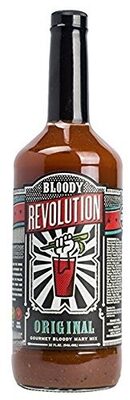 Bloody Revolution
Gourmet Bloody Mary Mix, Original
High in sodium — 52% DV per serving
29kcal
0.6Protein
0Fat
6.5Carbs
Bloody Revolution
Gourmet Bloody Mary Mix, Habanero
High in sodium — 29% DV per serving
29kcal
1.2Protein
0Fat
7.1Carbs
Bloody Revolution
Gourmet Bloody Mary Mix, Atx Ginger Waa-Saa-Bee
35kcal
1.2Protein
0Fat
7.1Carbs
Consolidated Mills, Inc.
Chipotle Stockyard BBQ Sauce
High in sodium — 22% DV per serving
122kcal
2.7Protein
0Fat
27.0Carbs
Taliera Texas Brands, LLC
Original Texas Style Bloody Mary Mix, Original Texas Style
High in sodium — 24% DV per serving
17kcal
0.8Protein
0Fat
3.3Carbs
Bloody Revolution
Gourmet Bloody Mary Mix, Original
High in sodium — 52% DV per serving
29kcal
0.6Protein
0Fat
6.5Carbs
Bloody Revolution
Gourmet Bloody Mary Mix, Habanero
High in sodium — 29% DV per serving
29kcal
1.2Protein
0Fat
7.1Carbs
Bloody Revolution
Gourmet Bloody Mary Mix, Atx Ginger Waa-Saa-Bee
35kcal
1.2Protein
0Fat
7.1Carbs
Consolidated Mills, Inc.
Chipotle Stockyard BBQ Sauce
High in sodium — 22% DV per serving
122kcal
2.7Protein
0Fat
27.0Carbs
Taliera Texas Brands, LLC
Original Texas Style Bloody Mary Mix, Original Texas Style
High in sodium — 24% DV per serving
17kcal
0.8Protein
0Fat
3.3Carbs
Learn more
Auto-generated content. This description was generated automatically and is pending editorial review. Inaccuracies are possible. Found a mistake? Contact us.