Sodium Bicarbonate U
What is Sodium Bicarbonate U?
Sodium bicarbonate is a white crystalline powder. It is a salt of carbonic acid, commonly known as baking soda. It occurs naturally in mineral deposits and is also produced industrially.
Is Sodium Bicarbonate U vegan?
Sodium Bicarbonate U is not animal-derived. Products that contain it can still include other animal-derived ingredients, so check the full ingredient list.
Is Sodium Bicarbonate U a major allergen?
Not a major allergen.
What is Sodium Bicarbonate U used for?
Manufacturers add sodium bicarbonate primarily as a leavening agent in baked goods, where it reacts with acidic ingredients to produce carbon dioxide gas, causing doughs and batters to rise.
Is Sodium Bicarbonate U safe?
Sodium bicarbonate is generally recognized as safe (GRAS) by the FDA for use in food.
Why it's used
Manufacturers add sodium bicarbonate primarily as a leavening agent in baked goods, where it reacts with acidic ingredients to produce carbon dioxide gas, causing doughs and batters to rise. It is also used as an acidity regulator and a cleaning agent in some food products.
Health notes
Sodium bicarbonate is generally recognized as safe (GRAS) by the FDA for use in food. It is a common ingredient in antacids and is used to neutralize stomach acid. JECFA has evaluated sodium bicarbonate and established an acceptable daily intake. Evidence does not suggest adverse health effects from typical dietary intake.
Allergen info
Not a major allergen.
Foods that contain Sodium Bicarbonate U
Compare products →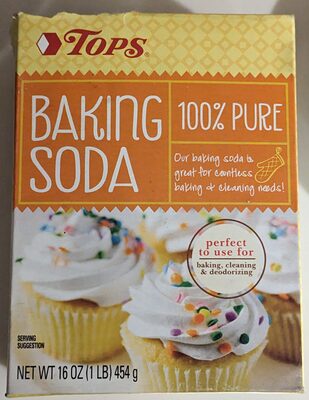
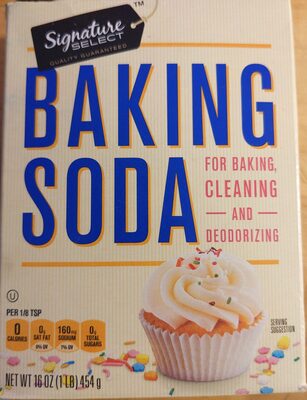
Auto-generated content. This description was generated automatically and is pending editorial review. Inaccuracies are possible. Found a mistake? Contact us.