Sodium Citrate And Carrageenan
What is Sodium Citrate And Carrageenan?
Sodium citrate is the sodium salt of citric acid, a weak acid found naturally in citrus fruits. Carrageenan is a food additive derived from red seaweed. Both are processed to create food ingredients.
Is Sodium Citrate And Carrageenan vegan?
Sodium Citrate And Carrageenan is not animal-derived. Products that contain it can still include other animal-derived ingredients, so check the full ingredient list.
Is Sodium Citrate And Carrageenan gluten-free?
Carrageenan is not a source of gluten.
Is Sodium Citrate And Carrageenan a major allergen?
Neither sodium citrate nor carrageenan are derived from the 9 major allergens.
What is Sodium Citrate And Carrageenan used for?
Sodium citrate is used as an acidity regulator and emulsifier, helping to prevent separation in dairy products like half-and-half.
Is Sodium Citrate And Carrageenan safe?
Both sodium citrate and carrageenan are considered safe by the FDA and are permitted food additives.
Why it's used
Sodium citrate is used as an acidity regulator and emulsifier, helping to prevent separation in dairy products like half-and-half. Carrageenan is used as a thickener and stabilizer, improving the texture and preventing ingredients from settling in dairy and other foods.
Health notes
Both sodium citrate and carrageenan are considered safe by the FDA and are permitted food additives. JECFA and EFSA have evaluated carrageenan, and while generally considered safe, some studies have raised questions about its effects on the digestive system at high intakes, though evidence is mixed. Regulatory bodies continue to monitor research.
Allergen info
Neither sodium citrate nor carrageenan are derived from the 9 major allergens. Carrageenan is not a source of gluten.
Foods that contain Sodium Citrate And Carrageenan
Compare products →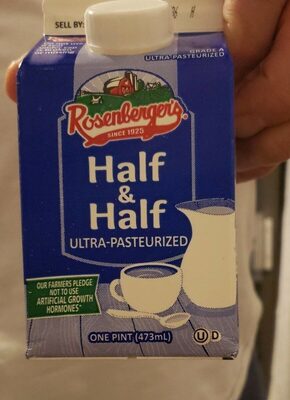 Milk Industry Management Corporation
Half And Half
133kcal
3.3Protein
11.7Fat
3.3Carbs
Milk Industry Management Corporation
Half And Half
133kcal
3.3Protein
11.7Fat
3.3Carbs
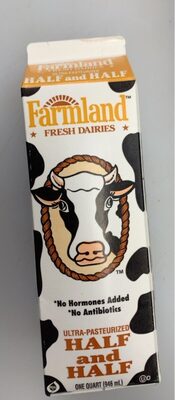 Farmland Fresh Dairies
Ultra-Pasteurized Half-And-Half
133kcal
3.3Protein
11.7Fat
3.3Carbs
Farmland Fresh Dairies
Ultra-Pasteurized Half-And-Half
133kcal
3.3Protein
11.7Fat
3.3Carbs
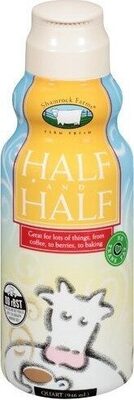 Shamrock Foods Company
Half And Half
133kcal
3.3Protein
10Fat
6.7Carbs
Shamrock Foods Company
Half And Half
133kcal
3.3Protein
10Fat
6.7Carbs
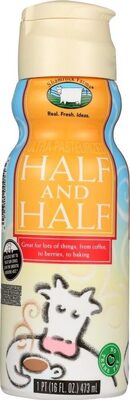 Shamrock Foods Company
Half & Half
133kcal
3.3Protein
10Fat
6.7Carbs
Shamrock Foods Company
Half & Half
133kcal
3.3Protein
10Fat
6.7Carbs
Learn more
Auto-generated content. This description was generated automatically and is pending editorial review. Inaccuracies are possible. Found a mistake? Contact us.