Sodium Diacetate Dextrose
What is Sodium Diacetate Dextrose?
Sodium diacetate is a compound made from sodium acetate and acetic acid. It is often produced by reacting sodium hydroxide with acetic acid and then with another molecule of acetic acid. Dextrose is a simple sugar, also known as glucose, typically derived from corn.
Is Sodium Diacetate Dextrose vegan?
Sodium Diacetate Dextrose is not animal-derived. Products that contain it can still include other animal-derived ingredients, so check the full ingredient list.
Is Sodium Diacetate Dextrose a major allergen?
Not a major allergen.
What is Sodium Diacetate Dextrose used for?
Sodium diacetate is used as a preservative and flavoring agent, providing a salt and vinegar taste.
Is Sodium Diacetate Dextrose safe?
Sodium diacetate is generally recognized as safe (GRAS) by the FDA for use in food.
Why it's used
Sodium diacetate is used as a preservative and flavoring agent, providing a salt and vinegar taste. Dextrose is a sweetener. They are often combined and used in processed meats, snacks like popcorn and peanuts, and baked goods to enhance flavor and extend shelf life.
Health notes
Sodium diacetate is generally recognized as safe (GRAS) by the FDA for use in food. Dextrose is a common sugar. Both are widely consumed and not associated with significant health concerns at typical dietary levels. JECFA and EFSA have evaluated related compounds, but specific evaluations for this combination are not widely publicized. There are no major controversies surrounding their use in food.
Allergen info
Not a major allergen. Dextrose is derived from corn, which is not one of the nine major allergens. Sodium diacetate is a chemical compound and does not contain allergens.
Foods that contain Sodium Diacetate Dextrose
Compare products →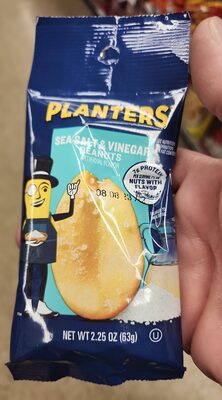 Nabisco Food Company
Sea Salt & Vinegar Peanuts, Sea Salt & Vinegar
High in saturated fat — 20% DV per serving
587kcal
25.4Protein
50.8Fat
17.5Carbs
Phenix Food Service, Inc.
Smoked Sausage Biscuit Sandwiches
High in sodium — 40% DV per serving
High in saturated fat — 40% DV per serving
349kcal
9.4Protein
23.6Fat
23.6Carbs
Phenix Food Service, Inc.
Croissant Sandwiches, Sausage Link, Egg & Cheese
High in sodium — 27% DV per serving
High in saturated fat — 45% DV per serving
High in cholesterol — 43% DV per serving
302kcal
9.4Protein
22.6Fat
13.2Carbs
Nabisco Food Company
Sea Salt & Vinegar Peanuts, Sea Salt & Vinegar
High in saturated fat — 20% DV per serving
587kcal
25.4Protein
50.8Fat
17.5Carbs
Phenix Food Service, Inc.
Smoked Sausage Biscuit Sandwiches
High in sodium — 40% DV per serving
High in saturated fat — 40% DV per serving
349kcal
9.4Protein
23.6Fat
23.6Carbs
Phenix Food Service, Inc.
Croissant Sandwiches, Sausage Link, Egg & Cheese
High in sodium — 27% DV per serving
High in saturated fat — 45% DV per serving
High in cholesterol — 43% DV per serving
302kcal
9.4Protein
22.6Fat
13.2Carbs
Learn more
Auto-generated content. This description was generated automatically and is pending editorial review. Inaccuracies are possible. Found a mistake? Contact us.