Sodium Stearoyl Lactylate And Dipotassium Phosphate
What is Sodium Stearoyl Lactylate And Dipotassium Phosphate?
Sodium stearoyl lactylate is a dough conditioner and emulsifier made from the reaction of stearic acid with sodium lactate. Dipotassium phosphate is a salt used as a buffering agent and emulsifier, often derived from phosphoric acid and potassium hydroxide.
Is Sodium Stearoyl Lactylate And Dipotassium Phosphate a major allergen?
Sodium stearoyl lactylate is not derived from major allergens.
What is Sodium Stearoyl Lactylate And Dipotassium Phosphate used for?
These ingredients are often used together in dairy products and baked goods.
Is Sodium Stearoyl Lactylate And Dipotassium Phosphate safe?
Sodium stearoyl lactylate is generally recognized as safe (GRAS) by the FDA.
Why it's used
These ingredients are often used together in dairy products and baked goods. They help improve texture, prevent separation in creamers, and stabilize emulsions.
Health notes
Sodium stearoyl lactylate is generally recognized as safe (GRAS) by the FDA. Dipotassium phosphate is also FDA GRAS. Both are common food additives with no significant health concerns at typical consumption levels. JECFA and EFSA have evaluated these substances and found them safe for use in food.
Allergen info
Sodium stearoyl lactylate is not derived from major allergens. Dipotassium phosphate is not derived from major allergens. Not a major allergen.
Foods that contain Sodium Stearoyl Lactylate And Dipotassium Phosphate
Compare products →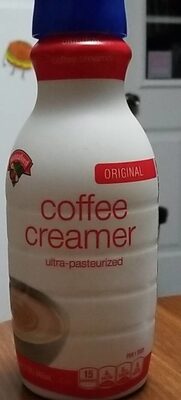
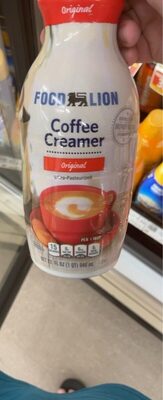
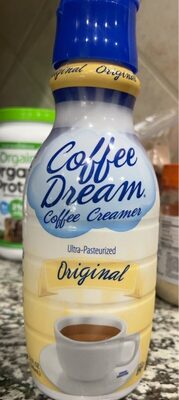
Learn more
Auto-generated content. This description was generated automatically and is pending editorial review. Inaccuracies are possible. Found a mistake? Contact us.