Sodium Succinate
What is Sodium Succinate?
Sodium succinate is a salt derived from succinic acid, a naturally occurring compound found in many living organisms. It can be produced through chemical synthesis or fermentation processes.
Is Sodium Succinate vegan?
Sodium Succinate is not animal-derived. Products that contain it can still include other animal-derived ingredients, so check the full ingredient list.
Is Sodium Succinate gluten-free?
It does not contain gluten.
Is Sodium Succinate a major allergen?
Sodium succinate is not derived from any of the nine major allergens recognized by the FDA.
What is Sodium Succinate used for?
Manufacturers use sodium succinate as a flavor enhancer and acidity regulator.
Is Sodium Succinate safe?
Sodium succinate is generally recognized as safe (GRAS) by the FDA for use in food.
Why it's used
Manufacturers use sodium succinate as a flavor enhancer and acidity regulator. It can contribute a slightly salty or umami taste and help balance the overall flavor profile of foods. It is often found in seafood products, deli salads, and seasoning mixes.
Health notes
Sodium succinate is generally recognized as safe (GRAS) by the FDA for use in food. International bodies like JECFA have evaluated it, but no specific numeric limits were set. Evidence does not suggest adverse health effects at typical consumption levels.
Allergen info
Sodium succinate is not derived from any of the nine major allergens recognized by the FDA. It does not contain gluten.
Foods that contain Sodium Succinate
Compare products →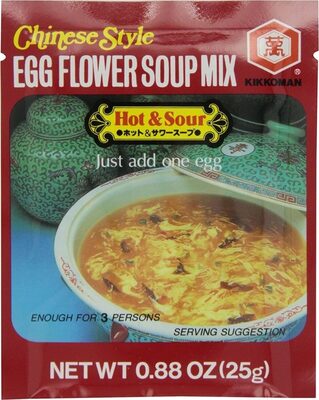
Learn more
Auto-generated content. This description was generated automatically and is pending editorial review. Inaccuracies are possible. Found a mistake? Contact us.