Sodium Tripolphosphate
What is Sodium Tripolphosphate?
Sodium tripolyphosphate (STPP) is a sodium salt of the chemical compound triphosphoric acid. It is produced industrially by heating a mixture of sodium carbonate and phosphoric acid. STPP is a white powder or granular substance that is soluble in water.
Is Sodium Tripolphosphate vegan?
Sodium Tripolphosphate is not animal-derived. Products that contain it can still include other animal-derived ingredients, so check the full ingredient list.
Is Sodium Tripolphosphate a major allergen?
Not a major allergen.
What is Sodium Tripolphosphate used for?
Manufacturers add STPP to foods to help retain moisture, improve texture, and act as an emulsifier.
Is Sodium Tripolphosphate safe?
Sodium tripolyphosphate is generally recognized as safe (GRAS) by the FDA for use in food.
Why it's used
Manufacturers add STPP to foods to help retain moisture, improve texture, and act as an emulsifier. It is commonly found in processed meats, seafood, and dairy products. In seafood, it helps prevent dehydration and improves water-holding capacity, making the product appear fresher.
Health notes
Sodium tripolyphosphate is generally recognized as safe (GRAS) by the FDA for use in food. It is a source of phosphorus, an essential mineral. JECFA has evaluated STPP and established an acceptable daily intake. High phosphorus intake from all sources can be a concern for individuals with kidney disease.
Allergen info
Not a major allergen.
Foods that contain Sodium Tripolphosphate
Compare products →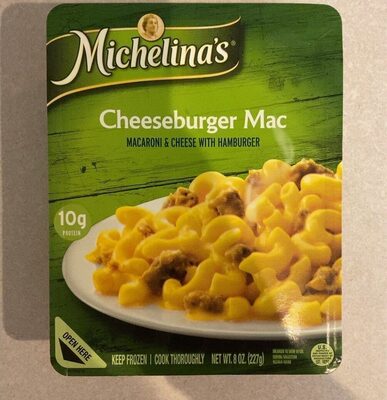
Auto-generated content. This description was generated automatically and is pending editorial review. Inaccuracies are possible. Found a mistake? Contact us.