Sorbic Acid & Carbon Dioxide
What is Sorbic Acid & Carbon Dioxide?
Sorbic acid is a naturally occurring compound found in some fruits, like rowanberries. It is typically produced industrially through a chemical process involving the reaction of ketene with crotonaldehyde. Carbon dioxide is a gas that occurs naturally in the atmosphere and is produced by living organisms during respiration.
Is Sorbic Acid & Carbon Dioxide vegan?
Sorbic Acid & Carbon Dioxide is not animal-derived. Products that contain it can still include other animal-derived ingredients, so check the full ingredient list.
Is Sorbic Acid & Carbon Dioxide a major allergen?
Not a major allergen.
What is Sorbic Acid & Carbon Dioxide used for?
Sorbic acid is used as a preservative to inhibit the growth of mold, yeast, and some bacteria in foods like cheese, baked goods, and dried fruits.
Is Sorbic Acid & Carbon Dioxide safe?
Sorbic acid and its salts (like potassium sorbate) are generally recognized as safe (GRAS) by the FDA for use as preservatives.
Why it's used
Sorbic acid is used as a preservative to inhibit the growth of mold, yeast, and some bacteria in foods like cheese, baked goods, and dried fruits. Carbon dioxide is used to preserve foods by displacing oxygen, which slows down spoilage. It is also used as a leavening agent in baked goods and to add fizziness to beverages.
Health notes
Sorbic acid and its salts (like potassium sorbate) are generally recognized as safe (GRAS) by the FDA for use as preservatives. JECFA and EFSA have evaluated sorbic acid and found it safe for consumption at typical levels. Carbon dioxide is a natural component of the body and is widely used in food and beverages without known health concerns at typical intake levels.
Allergen info
Not a major allergen.
Foods that contain Sorbic Acid & Carbon Dioxide
Compare products →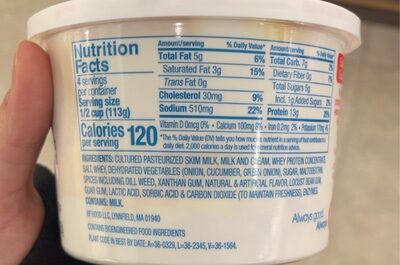 HP Hood LLC
4% Milkfat Small Curd Cottage Cheese With Cucumber & Dill, Cucumber & Dill
—kcal
11.5Protein
4.4Fat
6.2Carbs
HP Hood LLC
4% Milkfat Small Curd Cottage Cheese With Cucumber & Dill, Cucumber & Dill
—kcal
11.5Protein
4.4Fat
6.2Carbs
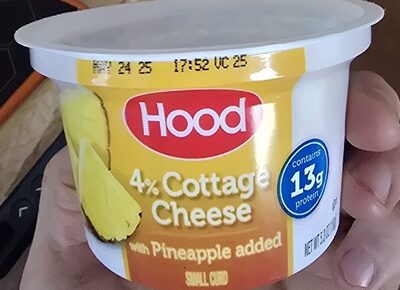 HP Hood LLC
4% Small Curd Cottage Cheese With Pineapple, Pineapple
High in added sugars — 22% DV per serving
113kcal
8.7Protein
3.3Fat
13.3Carbs
HP Hood LLC
Fat Free Small Curd Cottage Cheese With Pineapple, Pineapple
—kcal
8.8Protein
3.5Fat
14.2Carbs
HP Hood LLC
4% Small Curd Cottage Cheese With Pineapple, Pineapple
High in added sugars — 22% DV per serving
113kcal
8.7Protein
3.3Fat
13.3Carbs
HP Hood LLC
Fat Free Small Curd Cottage Cheese With Pineapple, Pineapple
—kcal
8.8Protein
3.5Fat
14.2Carbs
Learn more
Auto-generated content. This description was generated automatically and is pending editorial review. Inaccuracies are possible. Found a mistake? Contact us.