Sorbitol Syrup
What is Sorbitol Syrup?
Sorbitol syrup is a liquid sugar substitute made from sorbitol, a sugar alcohol. It is typically produced by hydrogenating sugars derived from corn or wheat. The process results in a sweet, syrupy liquid that is less sweet than sugar but has fewer calories.
Is Sorbitol Syrup vegan?
Sorbitol Syrup is not animal-derived. Products that contain it can still include other animal-derived ingredients, so check the full ingredient list.
Is Sorbitol Syrup gluten-free?
It does not contain gluten.
Is Sorbitol Syrup a major allergen?
Sorbitol syrup is not derived from any of the nine major allergens.
What is Sorbitol Syrup used for?
Manufacturers use sorbitol syrup as a bulk sweetener, humectant (to retain moisture), and texturizer.
Is Sorbitol Syrup safe?
Sorbitol syrup is Generally Recognized As Safe (GRAS) by the FDA for use in food.
Why it's used
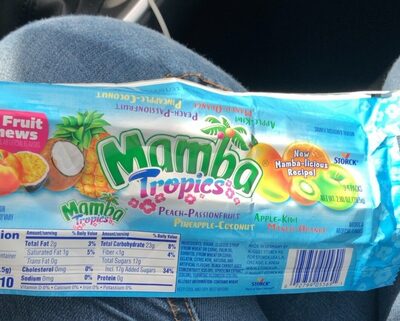
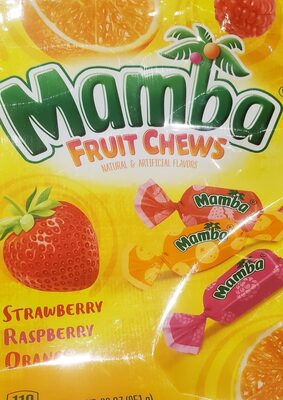
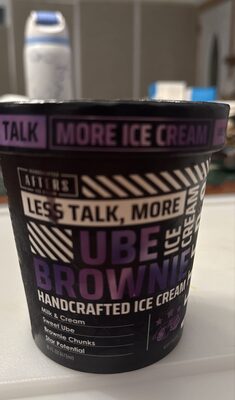
Manufacturers use sorbitol syrup as a bulk sweetener, humectant (to retain moisture), and texturizer. It helps prevent foods from drying out and provides a smooth mouthfeel. It is commonly found in sugar-free candies, chewing gum, baked goods, and dietetic foods.
Health notes
Sorbitol syrup is Generally Recognized As Safe (GRAS) by the FDA for use in food. It is a sugar alcohol, and like others, can have a laxative effect if consumed in large amounts. JECFA has evaluated sorbitol and set an acceptable daily intake. Evidence regarding its impact on blood sugar levels is mixed, with some studies suggesting a lower impact than sucrose, while others show a more moderate effect.
Allergen info
Sorbitol syrup is not derived from any of the nine major allergens. It does not contain gluten.
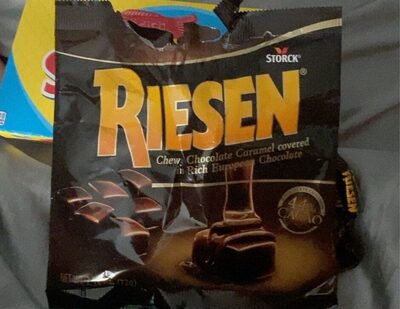
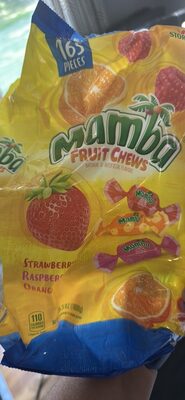
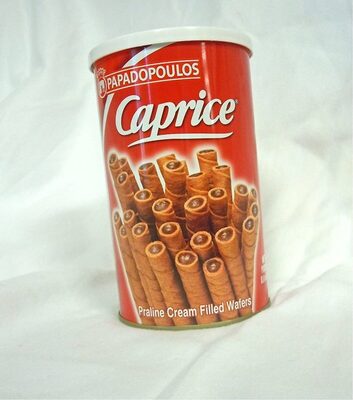
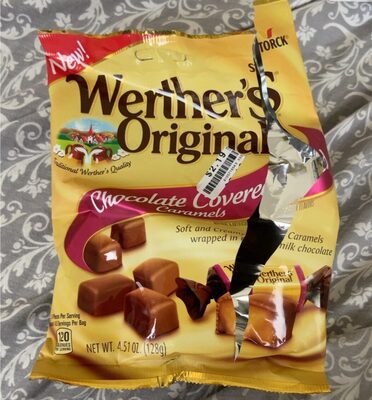
Foods that contain Sorbitol Syrup
Compare products →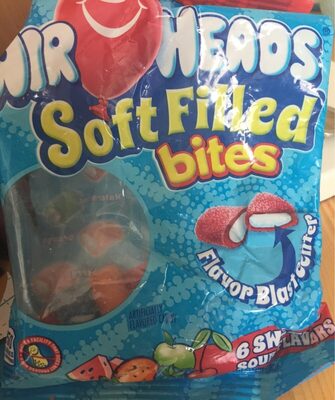

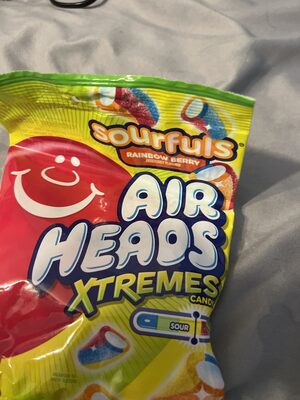
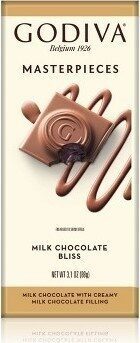
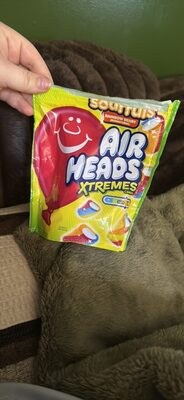
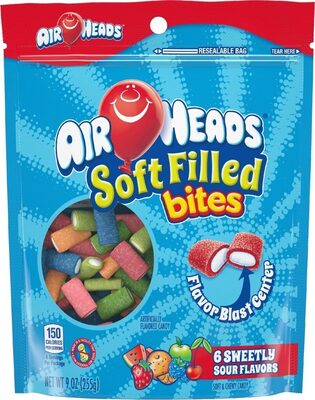
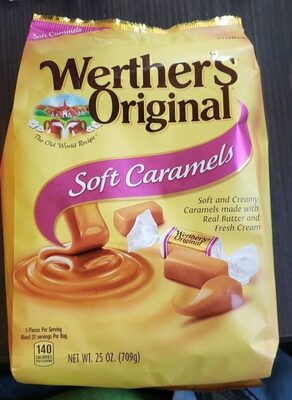




Learn more
Auto-generated content. This description was generated automatically and is pending editorial review. Inaccuracies are possible. Found a mistake? Contact us.