Sour Black Cherries
What is Sour Black Cherries?
Sour black cherries are a variety of cherry known for their tart flavor. They are typically grown in regions with a temperate climate and are often preserved in syrup or brine for later use. The preservation process helps maintain their texture and flavor for culinary applications.
Is Sour Black Cherries vegan?
Sour Black Cherries is not animal-derived. Products that contain it can still include other animal-derived ingredients, so check the full ingredient list.
Is Sour Black Cherries gluten-free?
They do not contain gluten.
Is Sour Black Cherries a major allergen?
Sour black cherries are not derived from any of the 9 FDA major allergens.
What is Sour Black Cherries used for?
Sour black cherries are often used to add a tart and slightly sweet flavor to foods.
Is Sour Black Cherries safe?
Sour black cherries are generally recognized as safe (GRAS) by the FDA when used as a food ingredient.
Why it's used
Sour black cherries are often used to add a tart and slightly sweet flavor to foods. They are commonly found in desserts like pies and cakes, as well as in jams, sauces, and as a garnish for cocktails. Manufacturers use them to provide a distinct fruit flavor and visual appeal.
Health notes
Sour black cherries are generally recognized as safe (GRAS) by the FDA when used as a food ingredient. They contain antioxidants and other beneficial compounds. JECFA has evaluated cherries and their preparations, and EFSA has also reviewed fruit preparations. Evidence does not suggest adverse health effects from typical consumption levels.
Allergen info
Sour black cherries are not derived from any of the 9 FDA major allergens. They do not contain gluten.
Foods that contain Sour Black Cherries
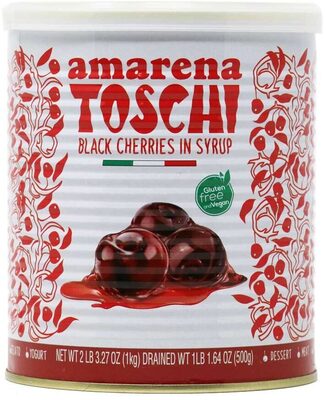
Compare products →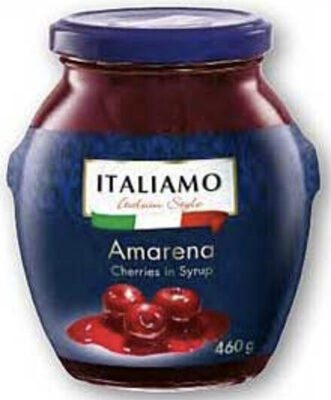
Auto-generated content. This description was generated automatically and is pending editorial review. Inaccuracies are possible. Found a mistake? Contact us.