Soya Lecithins
What is Soya Lecithins?
Soya lecithins are a mixture of phospholipids derived from soybeans. They are typically produced by extracting soybean oil and then separating the lecithin components through a degumming process. This results in a viscous liquid or powder that is widely used in food manufacturing.
Is Soya Lecithins vegan?
Soya Lecithins is not animal-derived. Products that contain it can still include other animal-derived ingredients, so check the full ingredient list.
Is Soya Lecithins gluten-free?
Gluten is not typically present.
Is Soya Lecithins a major allergen?
Soya lecithins are derived from soy, which is one of the 9 FDA major allergens.
What is Soya Lecithins used for?
Soya lecithins act as an emulsifier, helping to blend oil and water-based ingredients smoothly.
Is Soya Lecithins safe?
Soya lecithins are generally recognized as safe (GRAS) by the FDA for use in food.
Why it's used
Soya lecithins act as an emulsifier, helping to blend oil and water-based ingredients smoothly. This improves texture and prevents separation in foods like baked goods, chocolate, and margarine. They also function as a stabilizer and release agent.
Health notes
Soya lecithins are generally recognized as safe (GRAS) by the FDA for use in food. They are a common food ingredient with no significant health concerns reported at typical consumption levels. International bodies like JECFA and EFSA have evaluated lecithins and found them to be safe.
Allergen info
Soya lecithins are derived from soy, which is one of the 9 FDA major allergens. Gluten is not typically present.
Foods that contain Soya Lecithins
Compare products →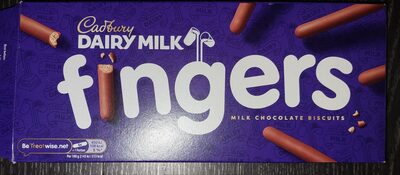 Burtons Gold Medal Biscuits
Milk Chocolate Biscuits Fingers, Milk Chocolate
High in saturated fat — 75% DV per serving
2462kcal
34.8Protein
129Fat
286Carbs
SWISS-OWNED COMPANY CHOCOLETTE CONFECTIONARY SIA
Milk Chocolate Pralines With Smooth Coconut Filling Diamonds, Milk Chocolate
High in saturated fat — 25% DV per serving
394kcal
6.1Protein
27.3Fat
57.6Carbs
AdvancePierre Foods Inc.
Weiss, Mit Aprikosen Fruchtfullung Lebkuchen Herzen
High in saturated fat — 25% DV per serving
363kcal
4.8Protein
7.3Fat
66.6Carbs
Walgreens Co.
Cranberry & White Chocolate Chip Cookies
478kcal
4.3Protein
21.7Fat
65.2Carbs
Burtons Gold Medal Biscuits
Milk Chocolate Biscuits Fingers, Milk Chocolate
High in saturated fat — 75% DV per serving
2462kcal
34.8Protein
129Fat
286Carbs
SWISS-OWNED COMPANY CHOCOLETTE CONFECTIONARY SIA
Milk Chocolate Pralines With Smooth Coconut Filling Diamonds, Milk Chocolate
High in saturated fat — 25% DV per serving
394kcal
6.1Protein
27.3Fat
57.6Carbs
AdvancePierre Foods Inc.
Weiss, Mit Aprikosen Fruchtfullung Lebkuchen Herzen
High in saturated fat — 25% DV per serving
363kcal
4.8Protein
7.3Fat
66.6Carbs
Walgreens Co.
Cranberry & White Chocolate Chip Cookies
478kcal
4.3Protein
21.7Fat
65.2Carbs
Learn more
Auto-generated content. This description was generated automatically and is pending editorial review. Inaccuracies are possible. Found a mistake? Contact us.