Spice Packets: Crushed Red Pepper
What is Spice Packets: Crushed Red Pepper?
Crushed red pepper is made from dried and crushed red chili peppers. It is a common spice used to add heat and flavor to dishes. The specific type of chili pepper used can vary, influencing the final flavor and heat level.
Is Spice Packets: Crushed Red Pepper vegan?
Spice Packets: Crushed Red Pepper is not animal-derived. Products that contain it can still include other animal-derived ingredients, so check the full ingredient list.
Is Spice Packets: Crushed Red Pepper a major allergen?
Not a major allergen.
What is Spice Packets: Crushed Red Pepper used for?
Crushed red pepper is primarily used as a spice to add heat and a mild fruity flavor to foods.
Is Spice Packets: Crushed Red Pepper safe?
Crushed red pepper is generally recognized as safe (GRAS) by the FDA when used as a spice.
Why it's used
Crushed red pepper is primarily used as a spice to add heat and a mild fruity flavor to foods. It is frequently found in Italian-American cuisine, particularly on pizzas and in pasta sauces. It is also used in marinades, rubs, and as a general seasoning for various savory dishes.
Health notes
Crushed red pepper is generally recognized as safe (GRAS) by the FDA when used as a spice. It contains capsaicin, the compound responsible for its heat, which has been studied for various potential health effects. Some research suggests capsaicin may have antioxidant and anti-inflammatory properties, though evidence is mixed and more research is needed. JECFA has evaluated capsaicinoids and established an acceptable daily intake.
Allergen info
Not a major allergen.
Foods that contain Spice Packets: Crushed Red Pepper
Compare products →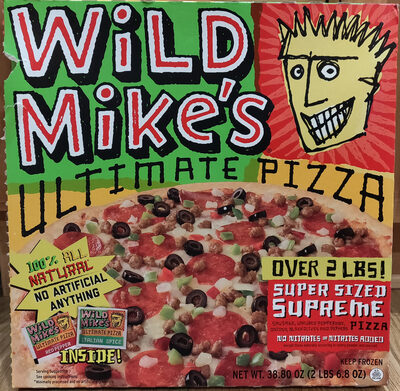 S.A. Piazza & Associates, LLC
Super Sized Supreme Sausage, Uncured Pepperoni, Onions, Black Olives And Peppers Ultimate Pizza, Sausage, Uncured Pepperoni, Onions, Black Olives And Peppers
High in saturated fat — 30% DV per serving
232kcal
9.4Protein
9.4Fat
29.0Carbs
S.A. Piazza & Associates, LLC
Super Sized Supreme Sausage, Uncured Pepperoni, Onions, Black Olives And Peppers Ultimate Pizza, Sausage, Uncured Pepperoni, Onions, Black Olives And Peppers
High in saturated fat — 30% DV per serving
232kcal
9.4Protein
9.4Fat
29.0Carbs
 S.A. Piazza & Associates, LLC
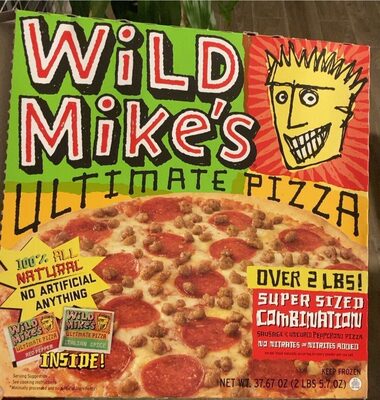
Combination Sausage & Uncured Pepperoni Ultimate Pizza, Combination
High in sodium — 28% DV per serving
High in saturated fat — 40% DV per serving
269kcal
9.7Protein
11.2Fat
26.9Carbs
S.A. Piazza & Associates, LLC
Super Sized Uncured Pepperoni Ultimate Pizza, Uncured Pepperoni
High in sodium — 21% DV per serving
High in saturated fat — 30% DV per serving
246kcal
10Protein
10Fat
29.2Carbs
S.A. Piazza & Associates, LLC
4 Cheese Ultra Thin Gluten Free Pizza, 4 Cheese
High in sodium — 24% DV per serving
High in saturated fat — 45% DV per serving
262kcal
7.9Protein
12.7Fat
24.6Carbs
S.A. Piazza & Associates, LLC
Combination Sausage & Uncured Pepperoni Ultimate Pizza, Combination
High in sodium — 28% DV per serving
High in saturated fat — 40% DV per serving
269kcal
9.7Protein
11.2Fat
26.9Carbs
S.A. Piazza & Associates, LLC
Super Sized Uncured Pepperoni Ultimate Pizza, Uncured Pepperoni
High in sodium — 21% DV per serving
High in saturated fat — 30% DV per serving
246kcal
10Protein
10Fat
29.2Carbs
S.A. Piazza & Associates, LLC
4 Cheese Ultra Thin Gluten Free Pizza, 4 Cheese
High in sodium — 24% DV per serving
High in saturated fat — 45% DV per serving
262kcal
7.9Protein
12.7Fat
24.6Carbs
Learn more
Auto-generated content. This description was generated automatically and is pending editorial review. Inaccuracies are possible. Found a mistake? Contact us.